
USUST lecturers master modern cheesemaking technologies
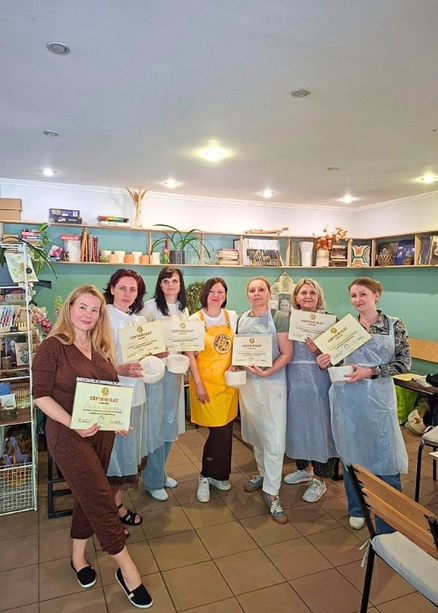
On May 16, 2026, Associate Professors of the Department of Natural and Synthetic Polymers, Fats, and Food Products at the Ukrainian State University of Science and Technologies (USUST), Iryna Valeriivna Sukha and Lesia Serhiivna Holub, took part in the practical training course ‘Secrets of cheesemaking’.
The course was conducted by renowned Dnipro cheesemaker Iryna Vasiuta an entrepreneur and practitioner who develops her own cheese production and actively promotes craft cheesemaking through workshops and training programs. Her professional journey began during the pandemic and gradually evolved into a successful business and educational initiative, enriched by European experience gained in France and Switzerland.
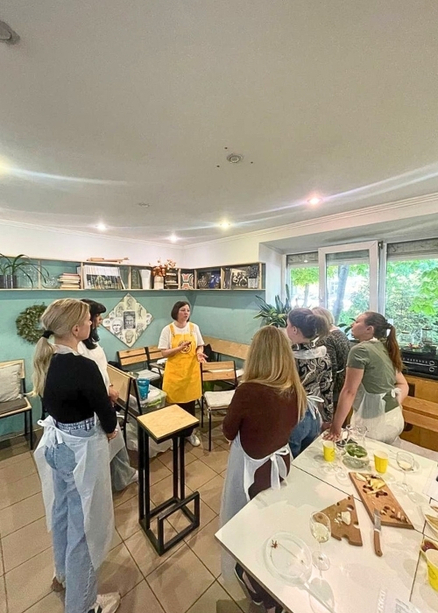
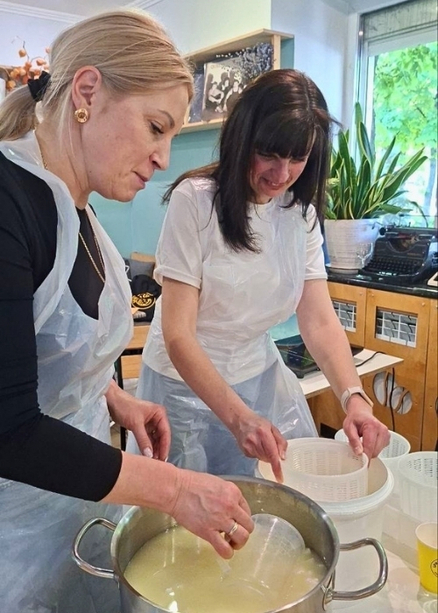
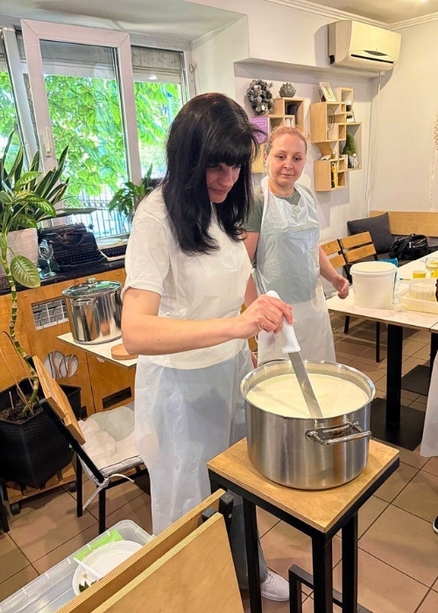
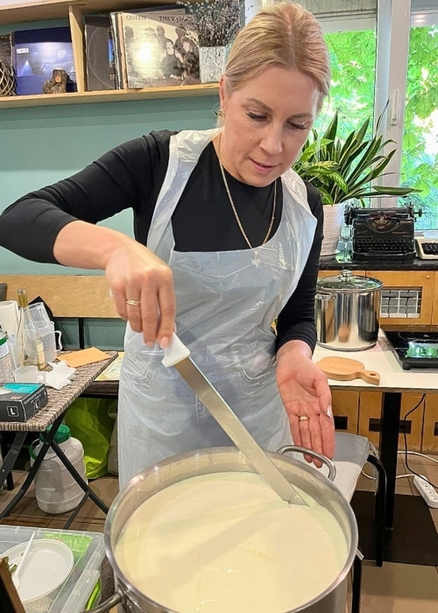
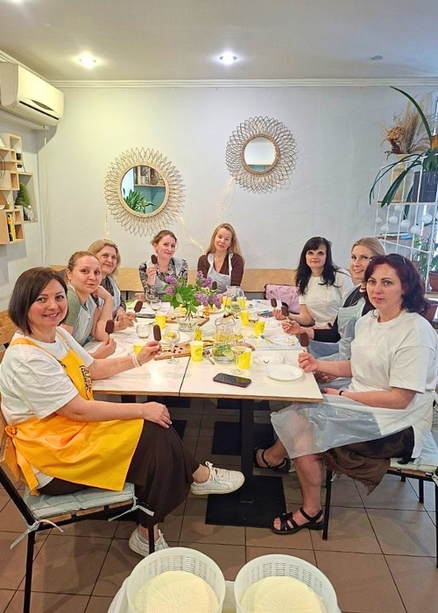
The training program combined intensive hands-on practice with detailed explanations of technological processes. The participants mastered the production of several classic cheeses, each distinguished by its unique flavor and technological characteristics. The course format reflected contemporary approaches to training specialists in the food industry by integrating theoretical knowledge with practical skills, immersing participants in the microbiological and technological aspects of production, and analyzing the influence of raw materials and processing methods on the quality of the final product.
The training was held in a professional yet welcoming atmosphere that encouraged effective learning and the exchange of experience. Upon completion of the course, the participants received personalized certificates and practical recommendations for applying the acquired knowledge in their educational and research activities.
During the course, the participants prepared different kinds of cheese, including paneer – soft and delicate cheese that reveals its best flavor when lightly fried; quark – featuring a creamy taste and delicate texture; brynza – juicy and well-balanced; and ricotta – light and versatile, suitable for both breakfast dishes and desserts.
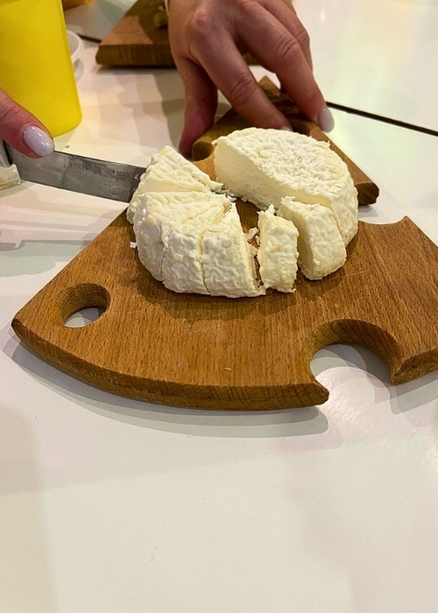
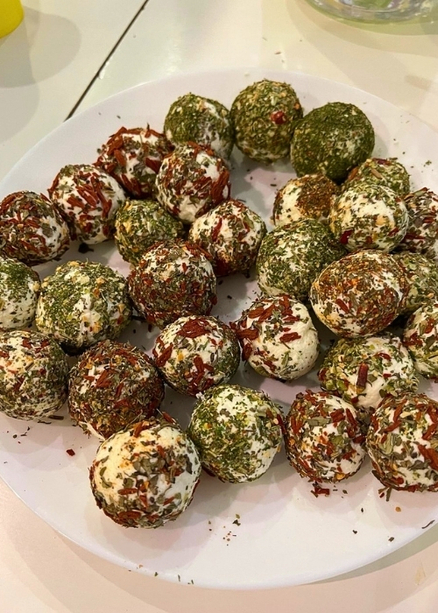
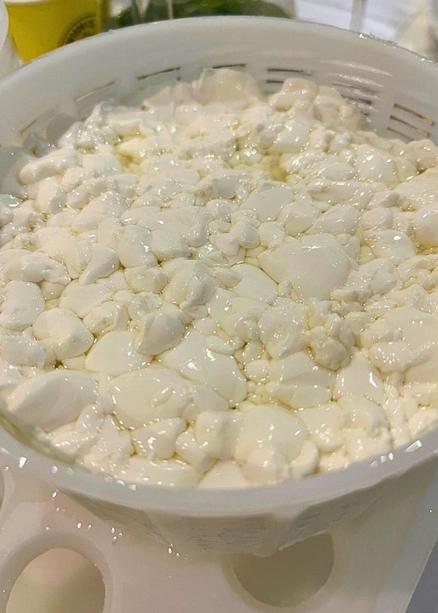
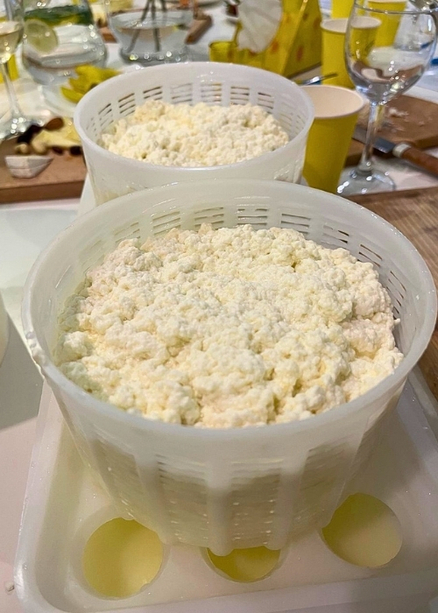
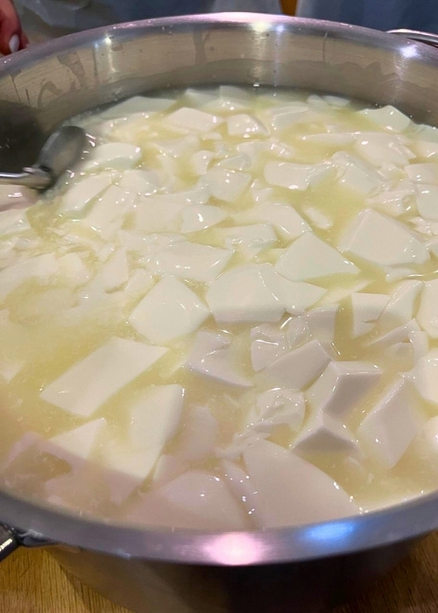
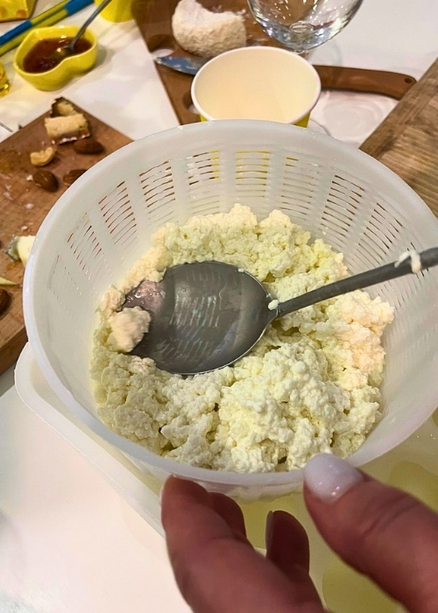
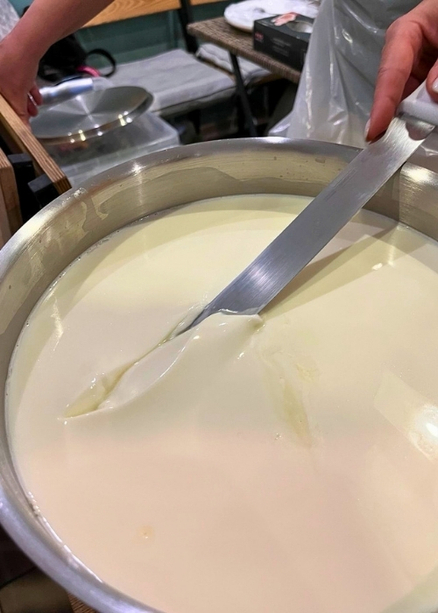
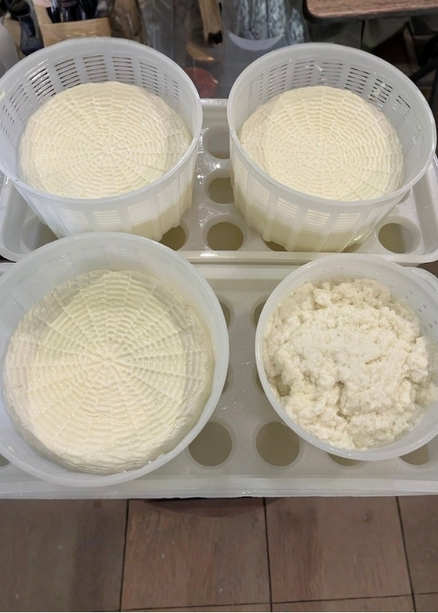
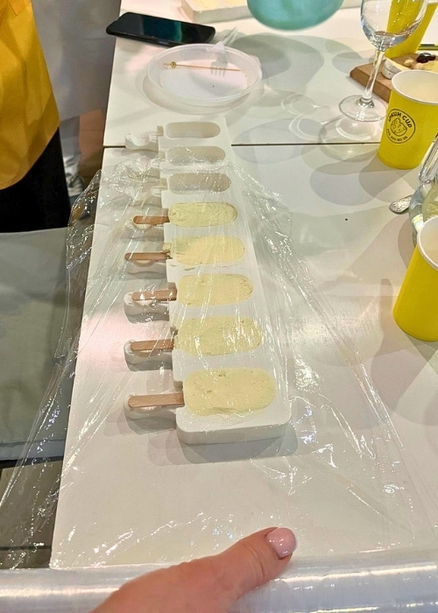
In addition, participants produced fetaxa – aromatic cheese cubes preserved in oil with spices, as well as vanilla dessert cheese bars coated in dark and milk Belgian chocolate, made using quark-based cottage cheese.
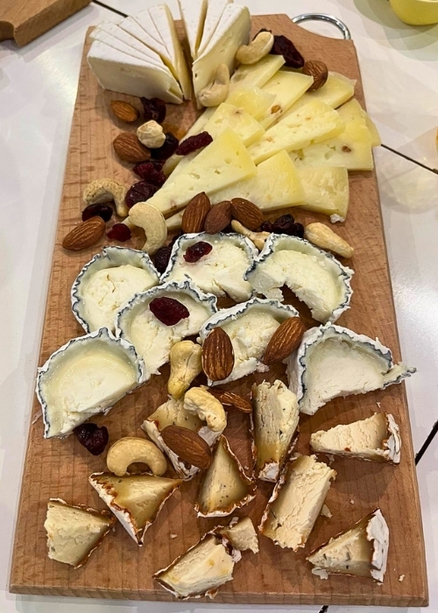
A separate section of the training focused on technologies for producing craft cheese with white mold and spices. The participants studied the specifics of creating cheese such as Picodon Chevre – delicate goat cheese with a characteristic tangy flavor; Boulette d’Avesnes – distinguished by its piquant blend of spices including tarragon, cloves, mixed peppers, and paprika; Polino – enhanced with wood ash and noble white mold; and Camembert – the classic soft cheese known for its rich creamy taste.
The participation of USUST lecturers in such educational initiatives contributes to the modernization of academic content, the integration of contemporary technologies into the educational process, and the improvement of professional training in the field of food technologies.