Young Scientists of USUST: Science That Shapes the Future
On March 20, 2025, the XV National Conference “Young Scientists 2025 – From Theory to Practice” will take place in a hybrid format, where young researchers from the Ukrainian State University of Science and Technologies will present their developments.
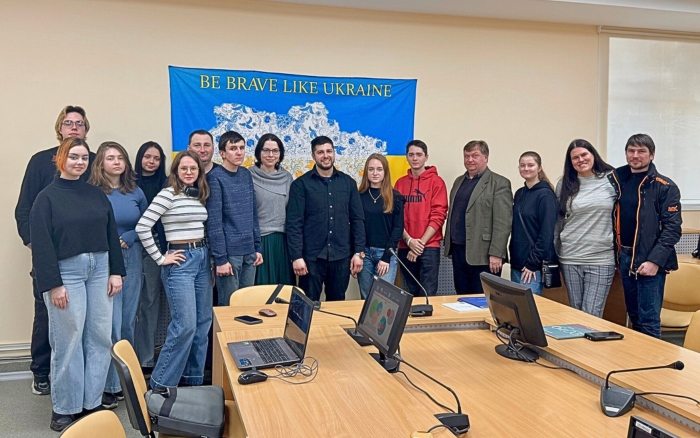
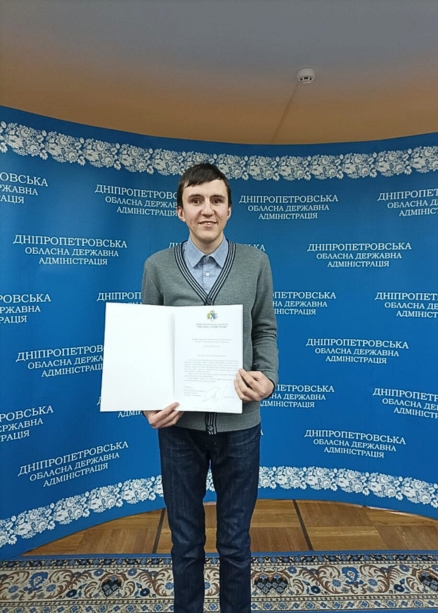
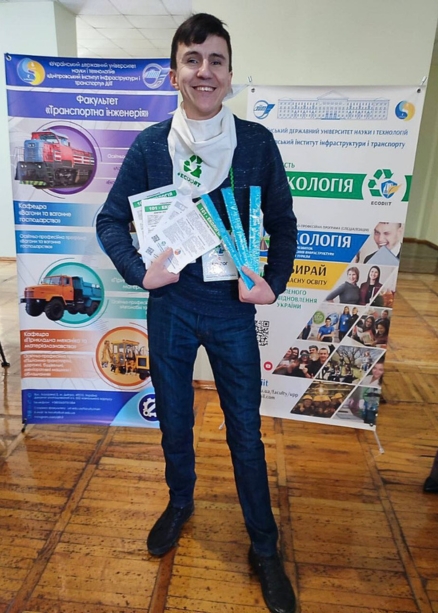
We discussed the role of youth science, its challenges, opportunities, and prospects with Mykola Kalymbet, Deputy Head of the Regional Council of Young Scientists, Head of the Council of Young Scientists of the SEI DIIT and the SEI DMetI of USUST, Research Fellow at the University’s Research Department, and Senior Lecturer at the Department of Environmental and Civil Safety.
Scientific Potential of Young Researchers
USUST employs 80 young scientists, including 25 Candidates of Sciences, 4 Doctors of Sciences, and 51 researchers without academic degrees. They actively participate in research projects, international programs, and conferences, and their work finds practical application.
“In 2024, young scientists from the university submitted two projects on fundamental and applied research, one of which received state funding. Additionally, our project ‘Water purification using a universal composite sorbent from plant wastes’ won the “European Water Awards 2024 international competition,” notes Mykola Kalymbet.
From Idea to Implementation
The main goal of the “Young Scientists 2025” conference is the practical application of scientific developments.
“We need to create the shortest path from the laboratory to production. To achieve this, we need support from the state, business, and effective communication between science, government, and industry,” emphasizes the Head of the Council of Young Scientists.
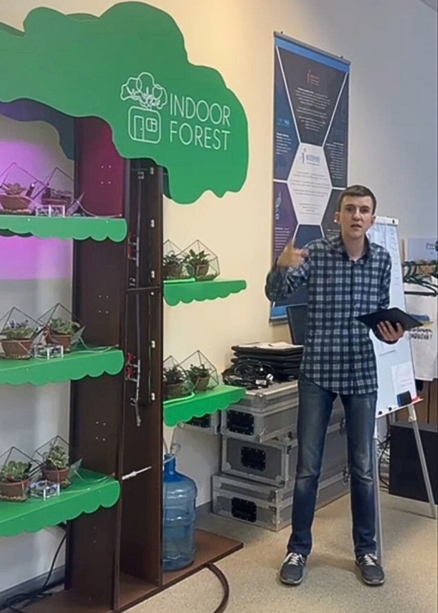
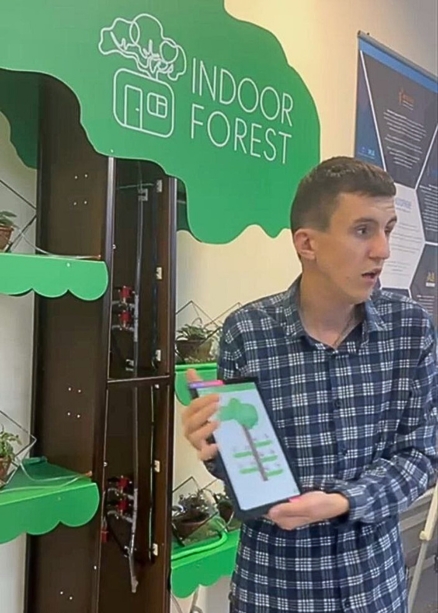
Among the priority research areas for young scientists at USUST are ecology, metallurgy, IT, logistics, and advanced materials. A successful example of innovation implementation is the INDOOR FOREST startup, which received funding from the Noosphere Engineering School and focuses on STEM education.
International Cooperation
Young scientists pay great attention to international partnerships. The university actively collaborates with EU and Chinese universities, implementing joint research projects, internships, and experience exchange programs.
“Young researchers have access to modern equipment thanks to state funding programs, interdepartmental cooperation, and support from international partners,” says Mykola Kalymbet.
What’s Next?
The strategic plans of the USUST Council of Young Scientists include expanding cooperation between science, business, and government, monetizing scientific developments, and engaging more young people in research. The university will actively participate in the “StartUP Sprint Dnipro Workshop” series of events organized by the Regional Council of Young Scientists, aimed at supporting innovative ideas.
“Our university is experiencing a synergy effect from the unification of five institutions, and cooperation between our young scientists and colleagues from various educational institutions in the region will only strengthen this effect,” says the Head of the Council of Young Scientists.
Exciting discoveries, projects, and achievements lie ahead!