
USUST team in the academic management development programme
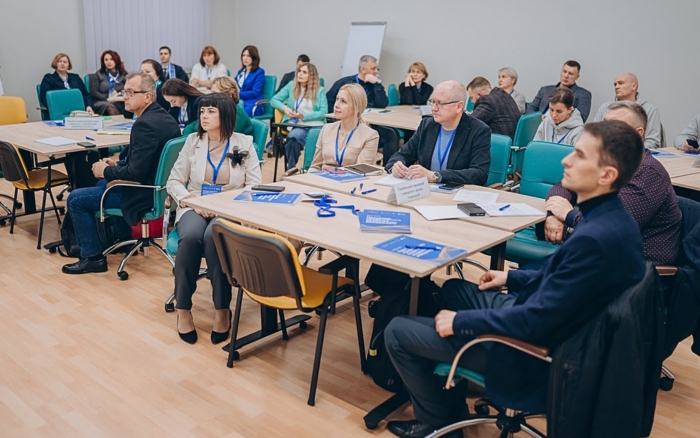
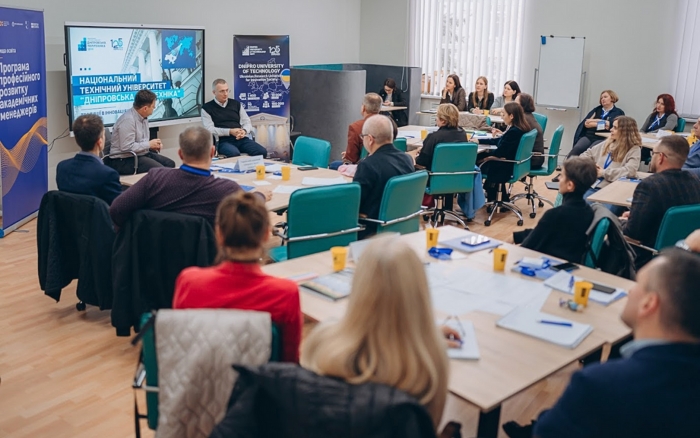
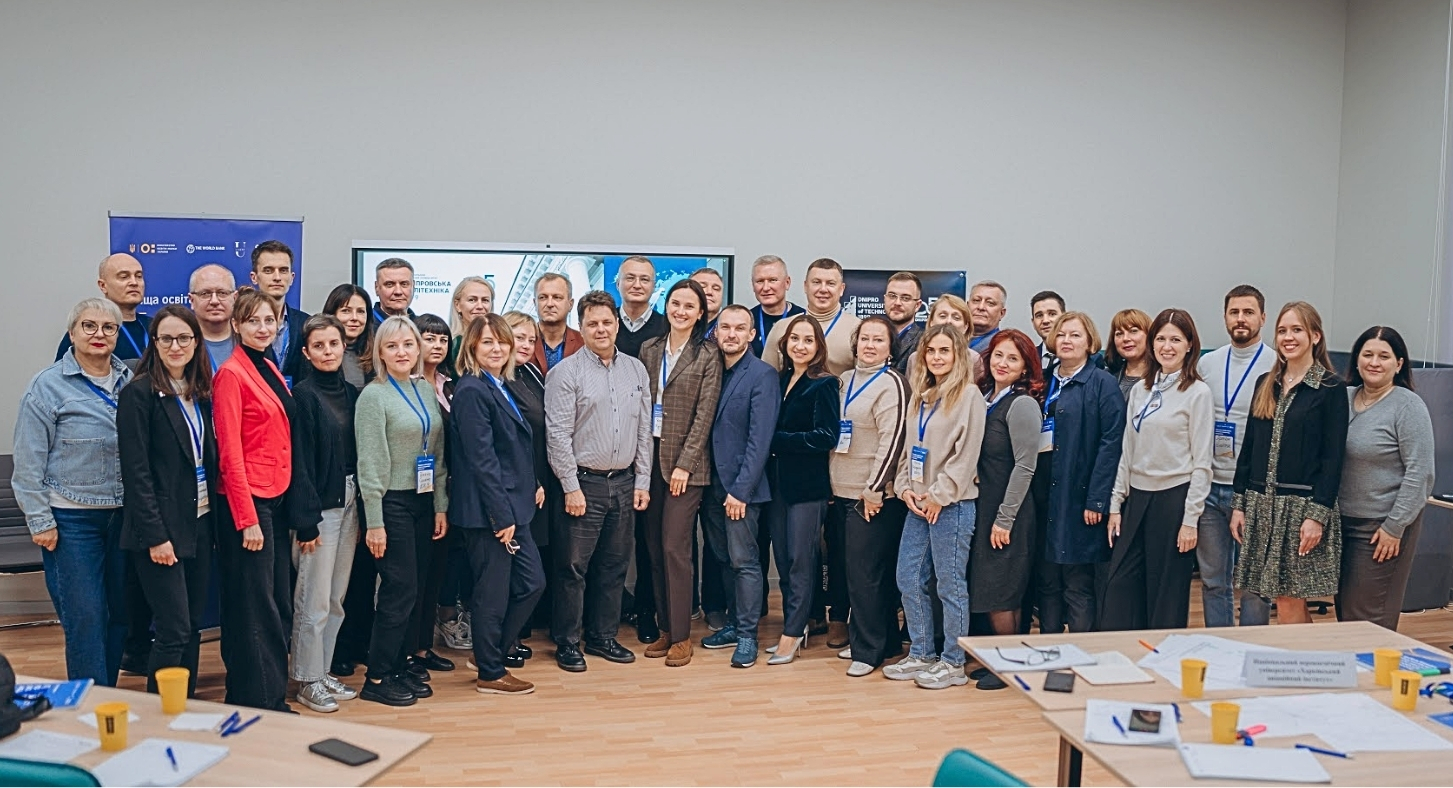
From 7 to 10 October 2025, the Ukrainian State University of Science and Technologies took part in the first module of the second cycle of the Academic Management Development Programme, supported by the British Council and implemented within the framework of the World Bank’s project ‘Ukraine Improving Higher Education for Results Project’ (UIHERP). The programme aims to strengthen the institutional capacity of higher education institutions by developing the competencies of academic managers in key areas such as leadership, strategic planning, human resource management, financial planning, internationalisation, and institutional change. The first module was hosted by the National Technical University ‘Dnipro Polytechnic’ and brought together 85 teams and 571 participants from higher education institutions across Ukraine.
The USUST team was formed by the representatives of various institutes: Vladyslav Danishevskyi, director of the SEI ‘Prydniprovska State Academy of Civil Engineering and Architecture’; Olha Sverdlikovska, acting director of the SEI ‘Ukrainian State University of Chemical Technology’;
Roman Rybalka, deputy director of the SEI ‘Dnipro Institute of Infrastructure and Transport’; and Vadym Selivyorstov, dean of the faculty of Electromechanics and Electrometallurgy at the SEI ‘Dnipro Metallurgical Institute’.
The first module ‘The role of the university in the context of social transformations’, had an intensive programme of thematic sessions with the participation of leading experts and higher education practitioners. Among the key sessions and speakers were:
- Anatolii Babichev, Vice-Rector for Research and Academic Affairs at V.N. Karazin Kharkiv National University, who spoke about the fundamentals and current trends in higher education management.
- Mykola Trofymenko, Deputy Minister of Education and Science of Ukraine. In the session ‘Policy Dialogue’ emphasised the importance of aligning the programme with the key priorities of the Ministry of Education and Science, including new funding formula and transparent governance.
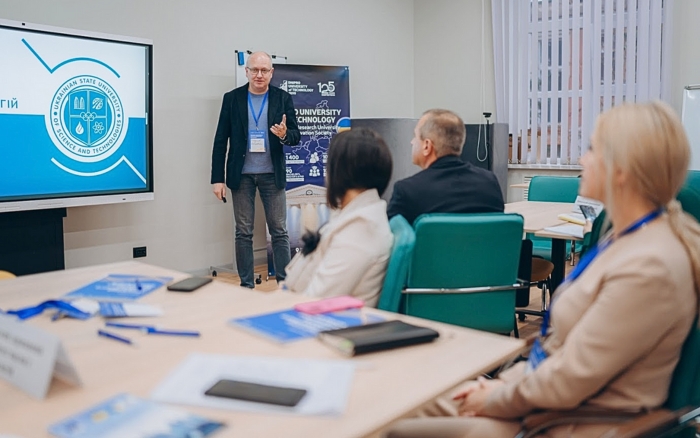
- The session ‘Pro-Community University’ delivered by Daria Bukrieieva and Kateryna Pilova from NTU ‘Dnipro Polytechnic’, focused on the role of the university as an institution serving the community.
- Tetiana Kuvaieva and Yevhen Koshelenko from NTU ‘Dnipro Polytechnic’ led the session ‘Cooperation with employers. Dual and practice-oriented education. Applied Science’.
- The session ‘Networking: my experience and the third mission of the university’ was led by Larysa Kolisnyk, Associate Professor at the department of History and Political Theory, NTU ‘Dnipro Polytechnic’.
- Tetiana Kuvaieva, head of the department of Marketing at NTU ‘Dnipro Polytechnic’, conducted the session ‘University social engagement’.
- The session ‘Interaction and communication with the community’ was conducted by Larysa Kolisnyk and Daria Bukrieieva, Vice-Rector for Perspective Development at NTU ‘Dnipro Polytechnic’.
- Professor Oleksandr Aziukovskyi, Rector of the NTU ‘Dnipro Polytechnic’ delivered a talk within the session ‘Conversation with a practitioner’.
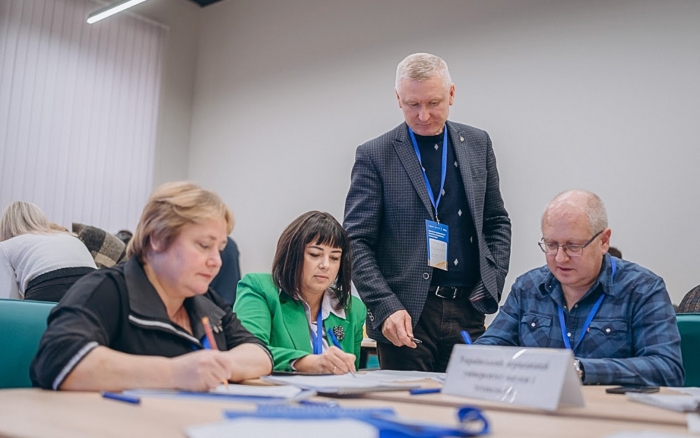
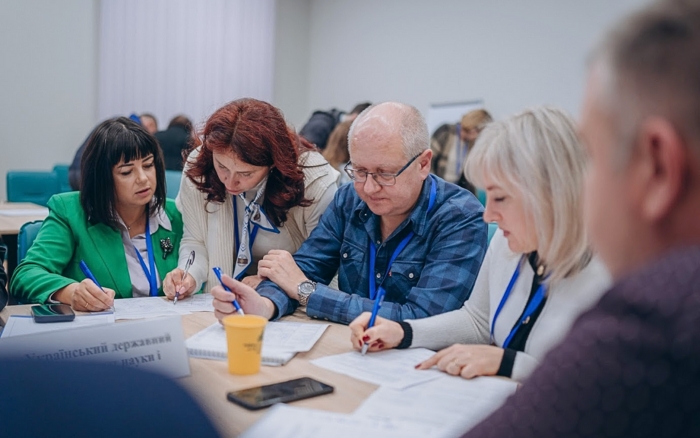
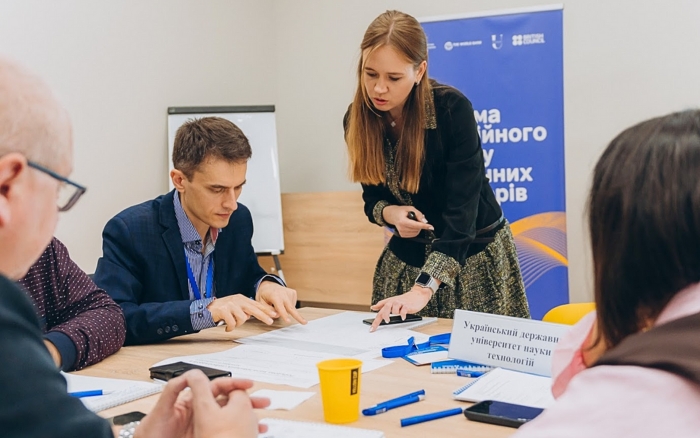
- During the session ‘Teamwork on a practical task’, the teams worked under the guidance of Kateryna Pilova, dean of the Faculty of Finance and Economics, and Artem Bardas, director of the Educational and Research Institute of Economics and Professor at the department of Management, NTU ‘Dnipro Polytechnic’.
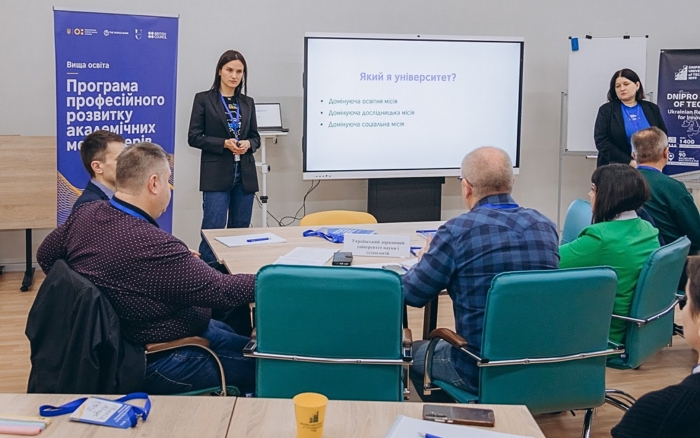
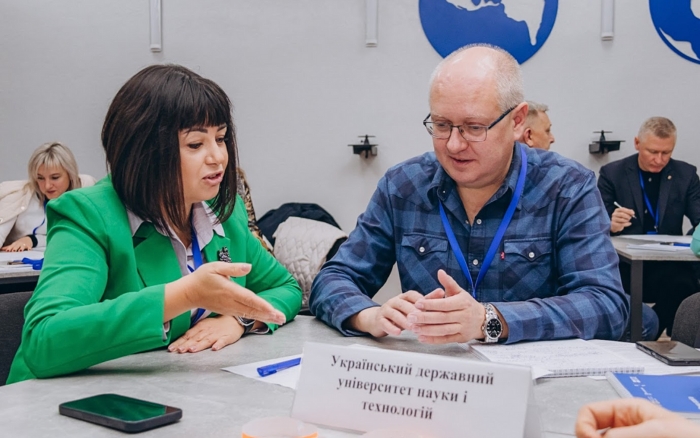
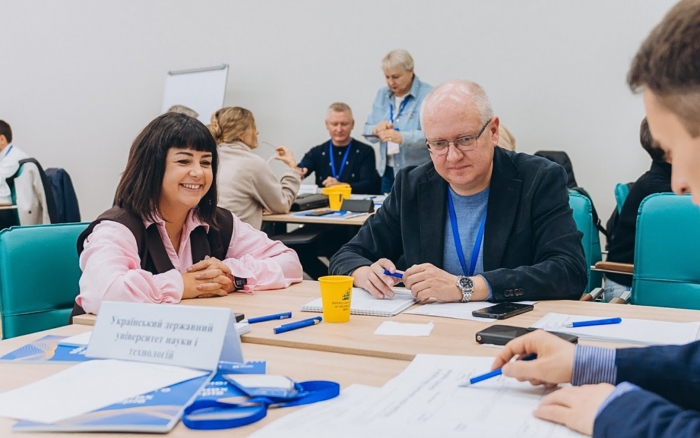
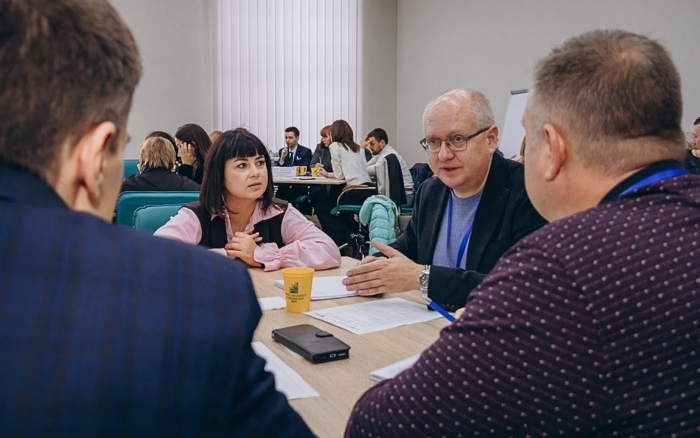
One of the central topics of the programme was the discussion ‘Pro-Community University’, focused on a key question ‘What kind of university am I?’. The participants discussed three core missions of higher education institutions: educational, research, and social. Working in teams, the participants defined the concept of a ‘pro-community university’ as an institution focused on engagement with the community, aligning its institutional development strategy with the goals, needs, challenges, and expectations of the community – a university that exists for the community and together with the community. The discussion also addressed how this mission can be implemented in practice in individual institutions.
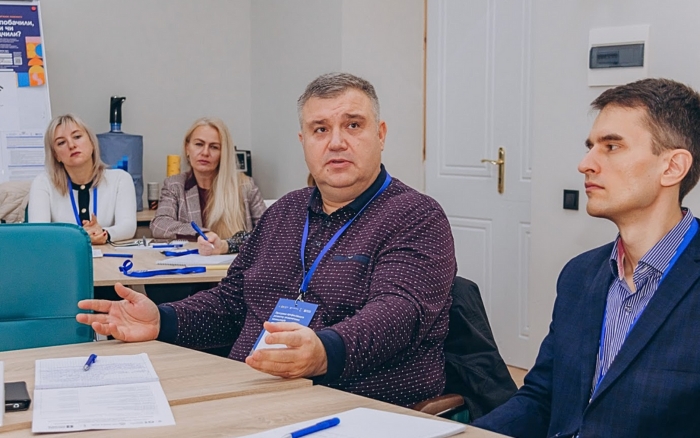
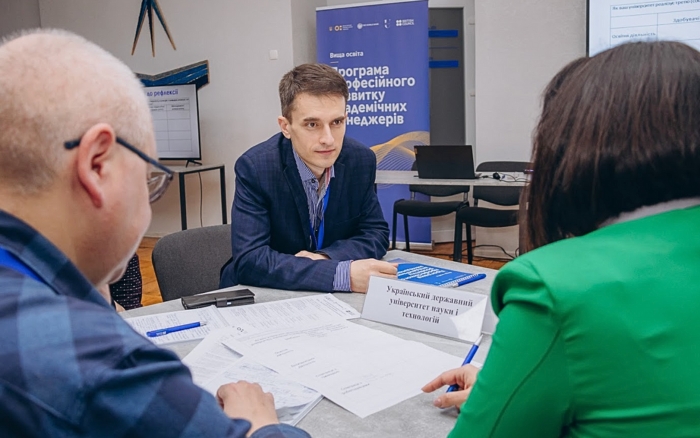
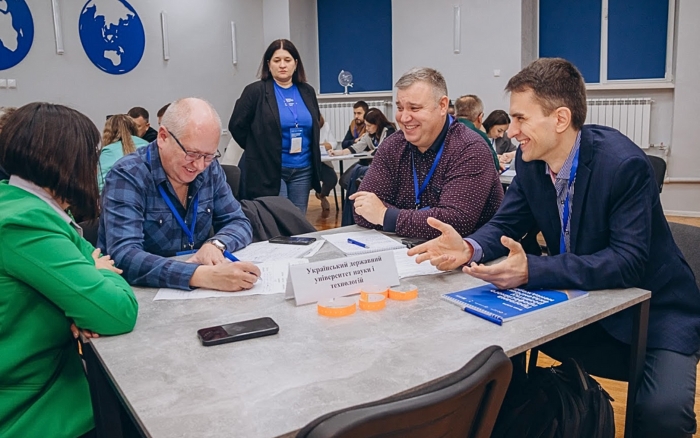
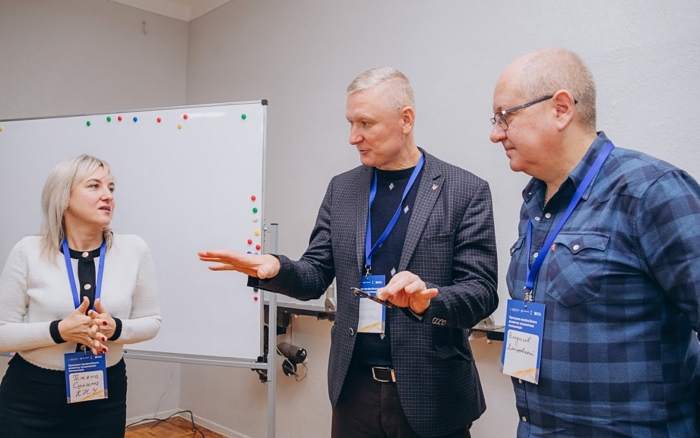
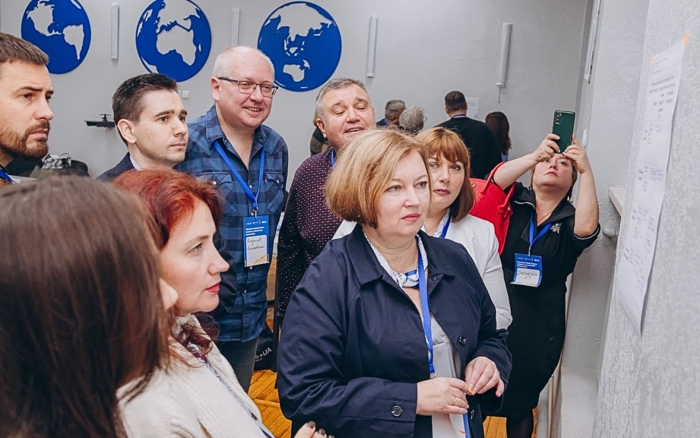
The teams actively worked on practical tasks, presented strategies for their universities, exchanged experiences, and engaged in open discussions with the speakers.
Through their participation in the programme, our representatives will get valuable skills in strategic management, institutional capacity building, transparent resource planning, and effective engagement with communities and stakeholders.
We extend our gratitude to the programme organisers, as well as to our delegates and colleagues for their commitment and active participation. It is an important step towards ensuring that USUST becomes not only a participant, but a driving force for change in Ukrainian higher education.

More photos are available via the link