
USUST presents BIM-based reconstruction project for Coworking Hub Dnipro
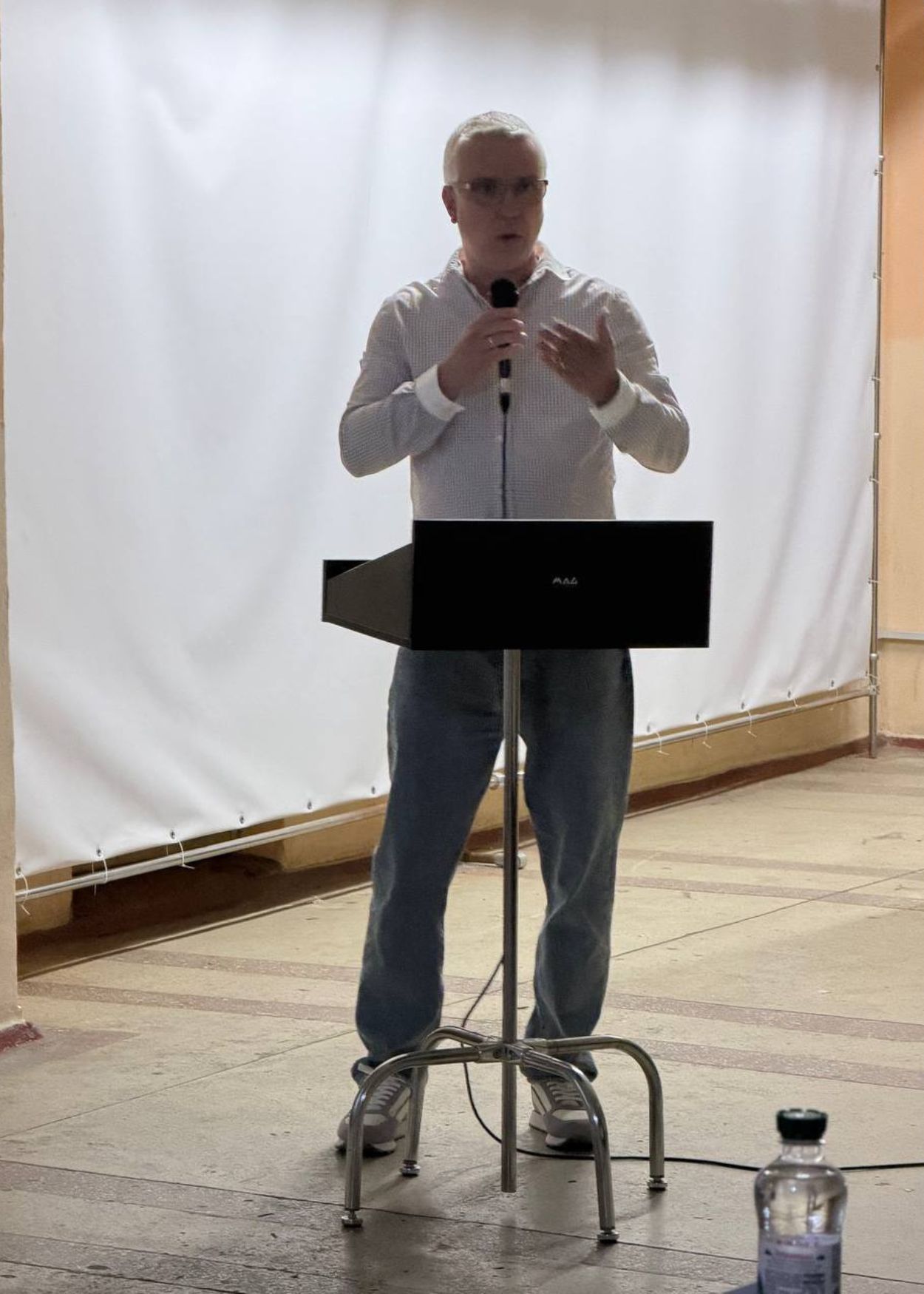
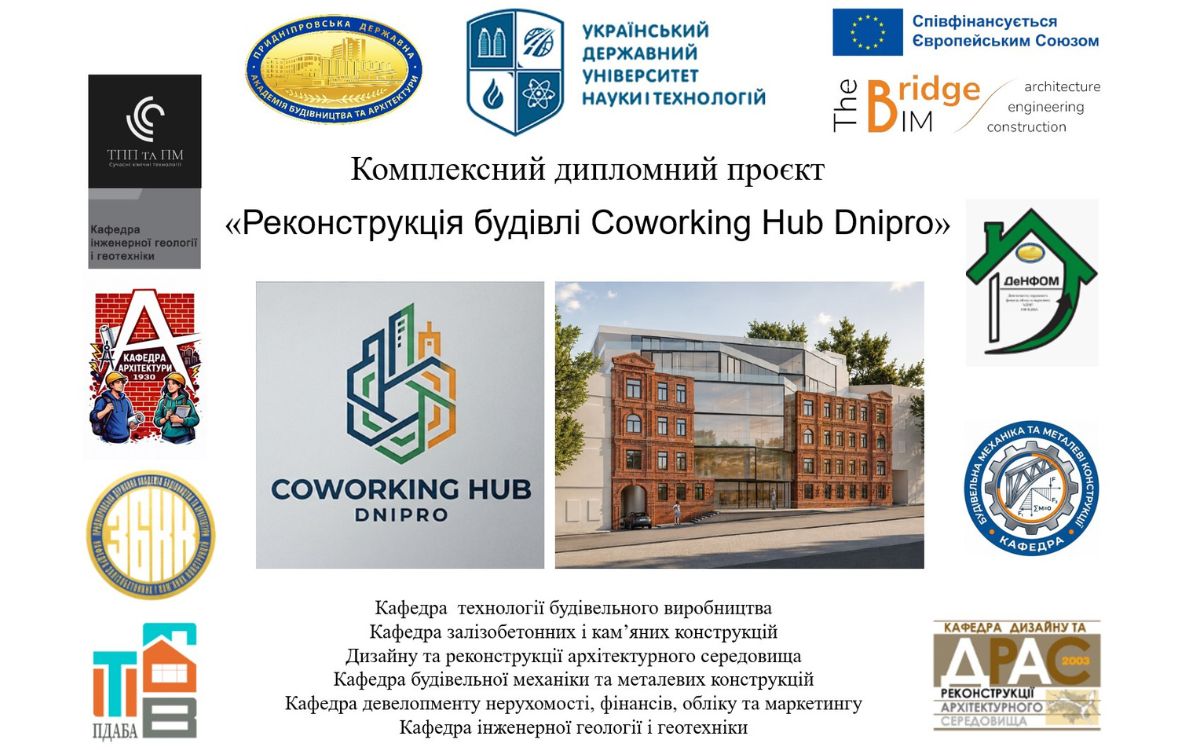
19 червня 2026 року в Навчально-науковому інституті «Придніпровська державна академія будівництва та архітектури» Українського державного університету науки і технологій відбувся захист комплексного дипломного проєкту «Реконструкція будівлі Coworking Hub Dnipro». Робота стала одним із найбільш масштабних міжкафедральних студентських проєктів університету та продемонструвала, як сучасна інженерна й архітектурна освіта здатна відповідати на виклики післявоєнного відновлення України.
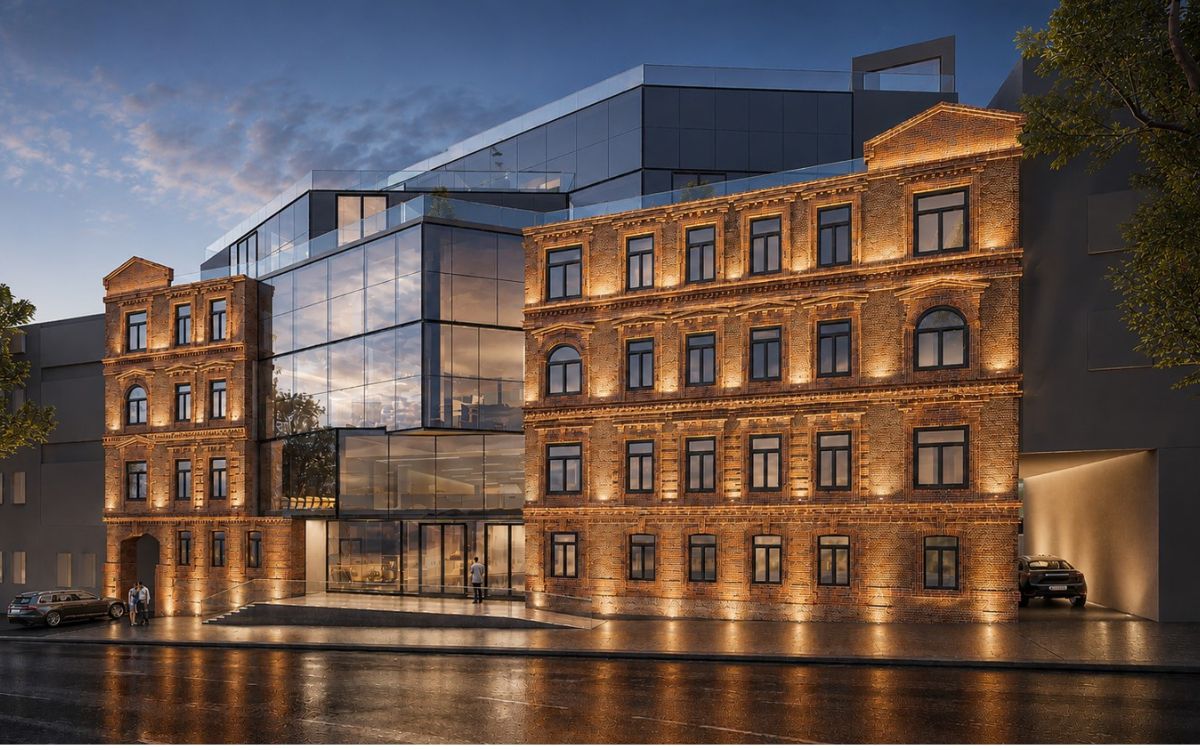
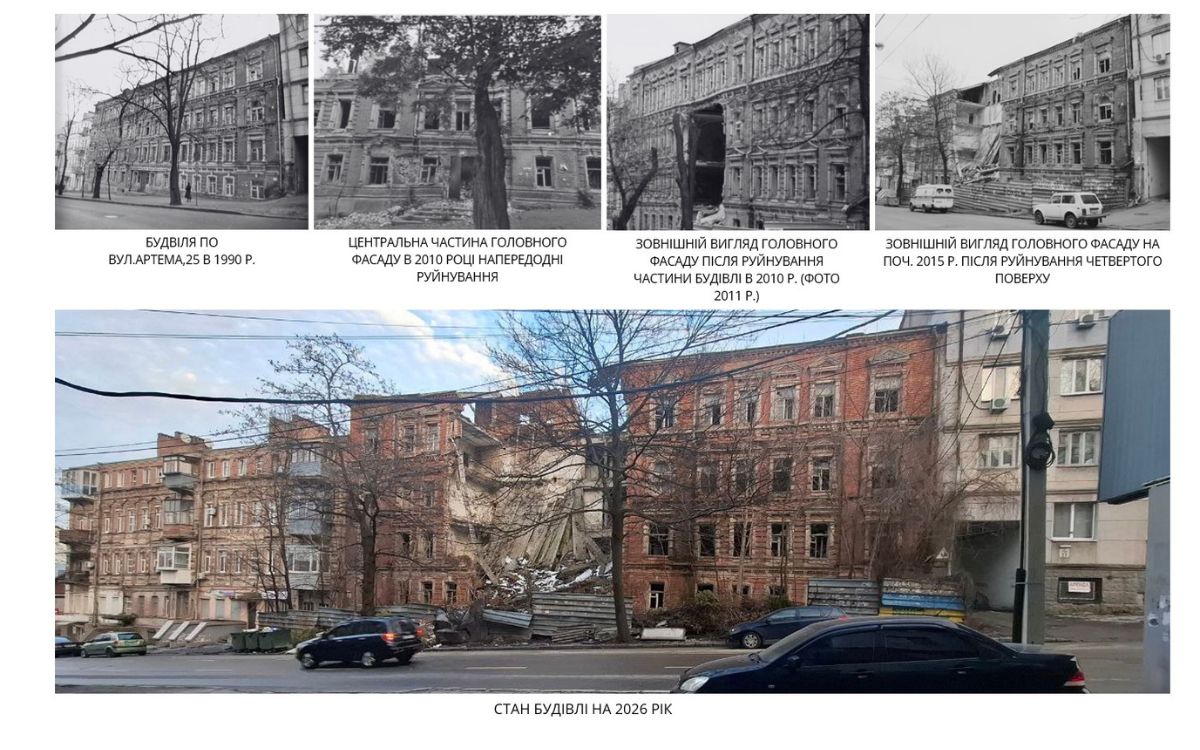
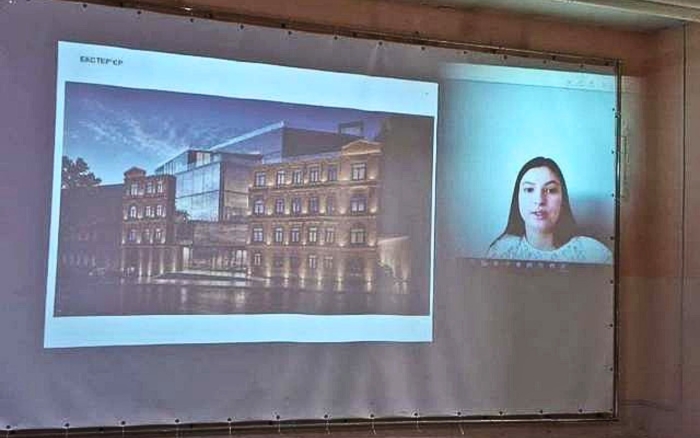
Проєкт присвячений реконструкції аварійної історичної будівлі в центрі Дніпра, яка зазнала значних руйнувань, із перетворенням її на сучасний багатофункціональний коворкінг-простір для роботи, навчання, підприємництва та комунікації. Його головною ідеєю стало поєднання дбайливого ставлення до архітектурної спадщини із застосуванням найновіших цифрових технологій проєктування, енергоефективних рішень і принципів сталого розвитку.
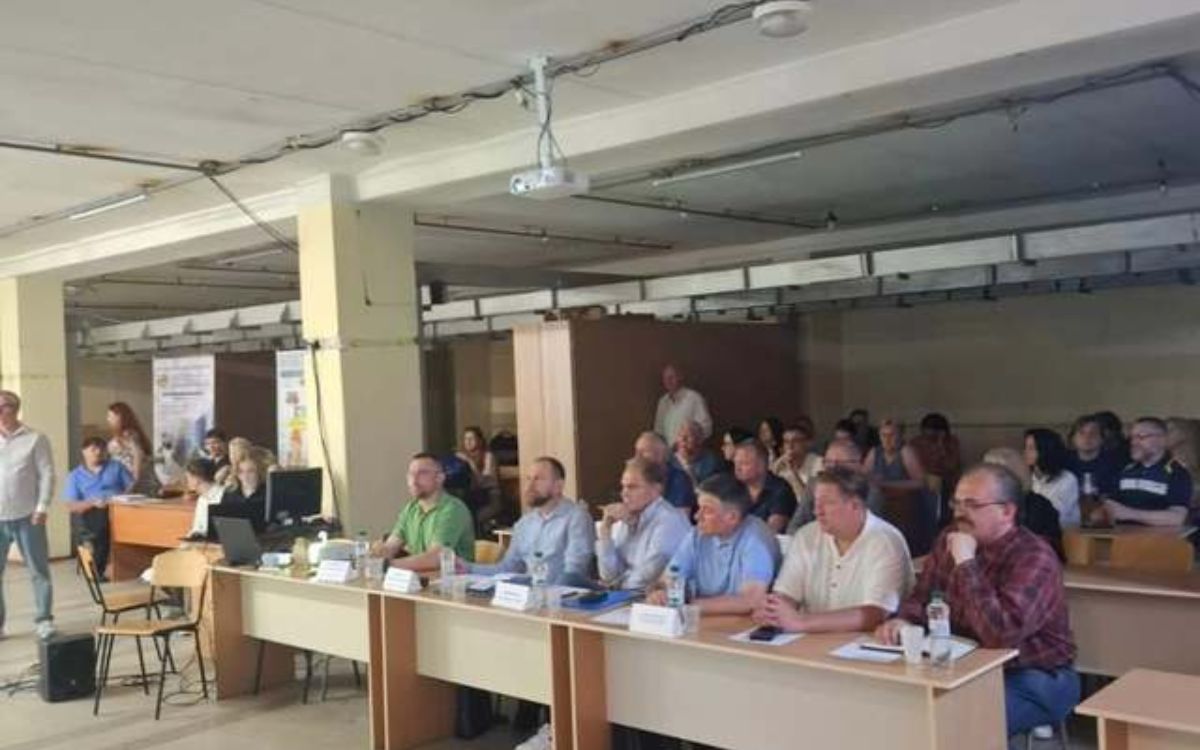
On 19 June 2026, the SEI ‘Prydniprovska State Academy of Civil Engineering and Architecture’ of the Ukrainian State University of Science and Technologies hosted the defence of the comprehensive diploma project ‘Reconstruction of the Coworking Hub Dnipro buildimg’. The project became one of the largest interdisciplinary student projects implemented at the university and demonstrated how contemporary engineering and architectural education can respond to the challenges of Ukraine’s post-war recovery. The project is dedicated to the reconstruction of a damaged historic building in the centre of Dnipro that has sustained significant destruction, transforming it into a modern multifunctional coworking space for work, studying, entrepreneurship, and communication. Its central concept was to combine a careful approach to architectural heritage preservation with the application of the latest digital design technologies, energy-efficient solutions, and the principles of sustainable development.
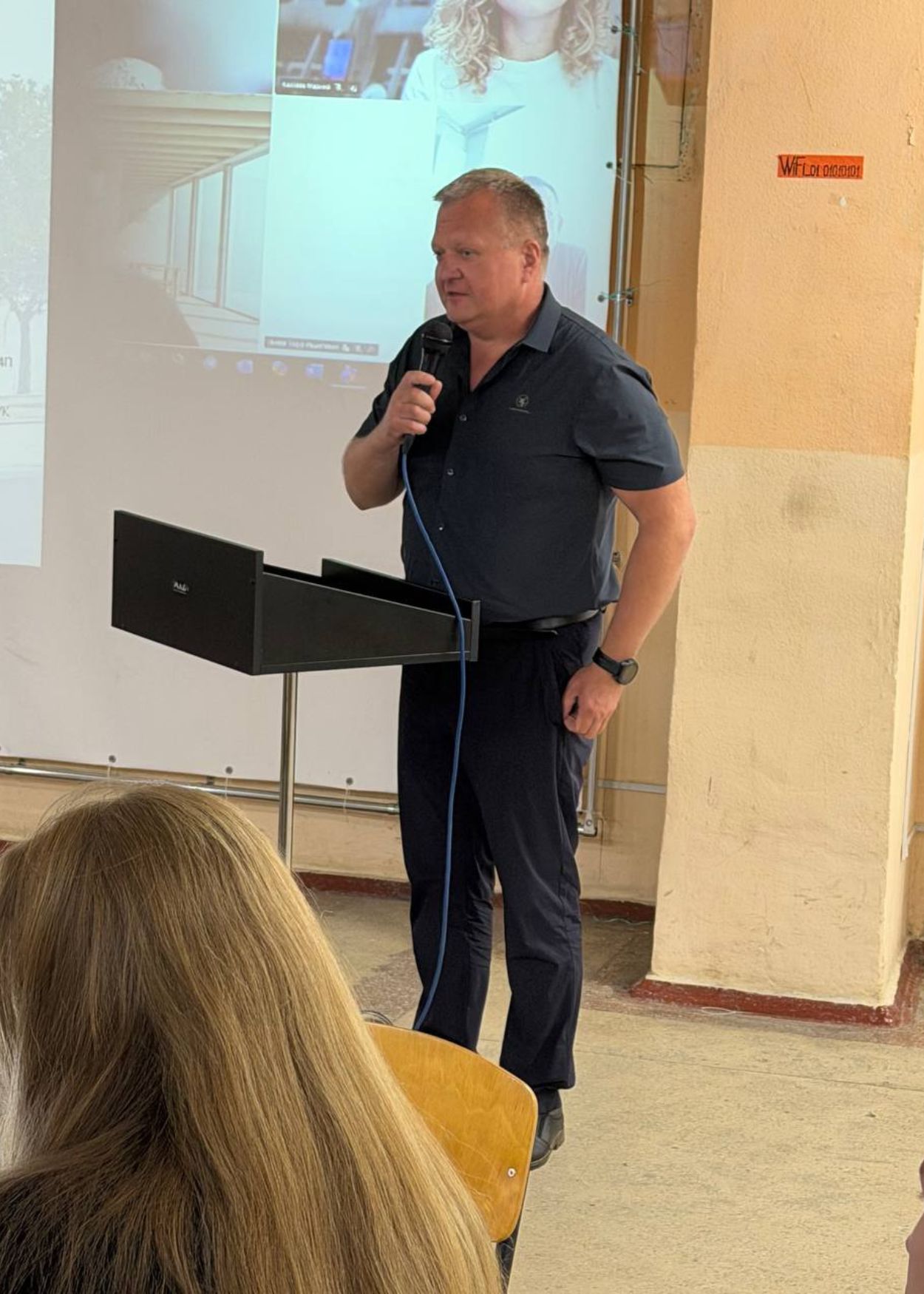
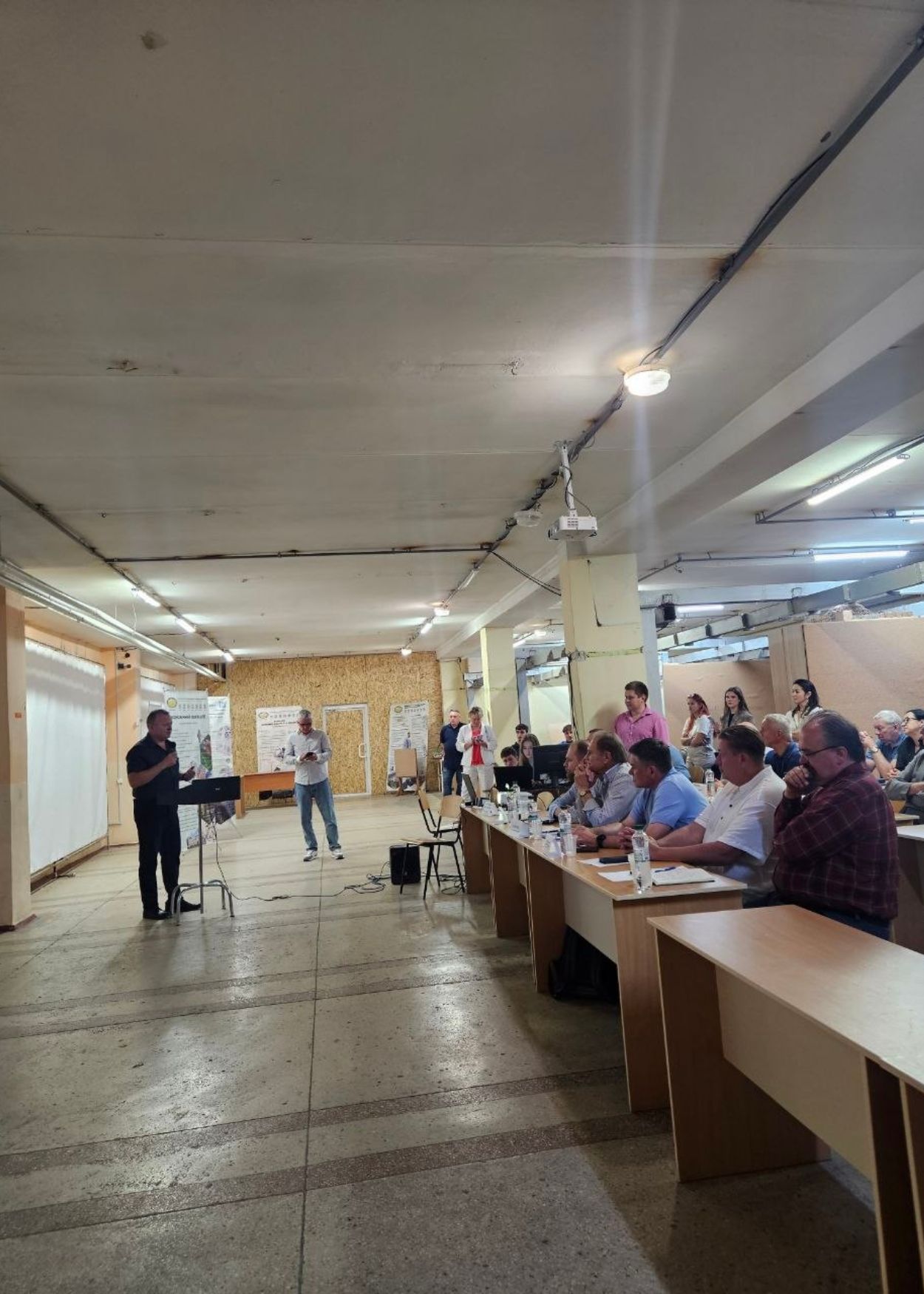
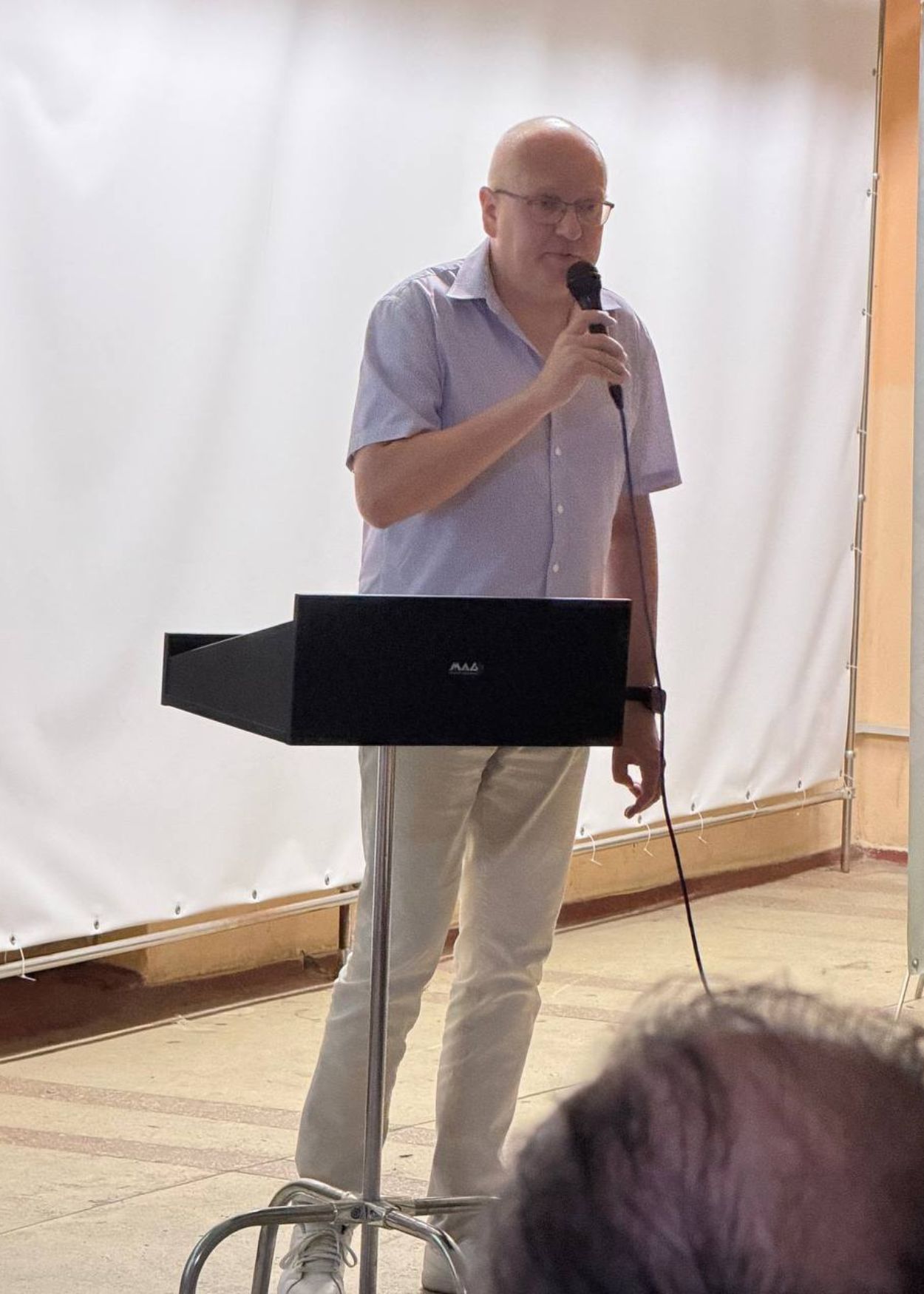
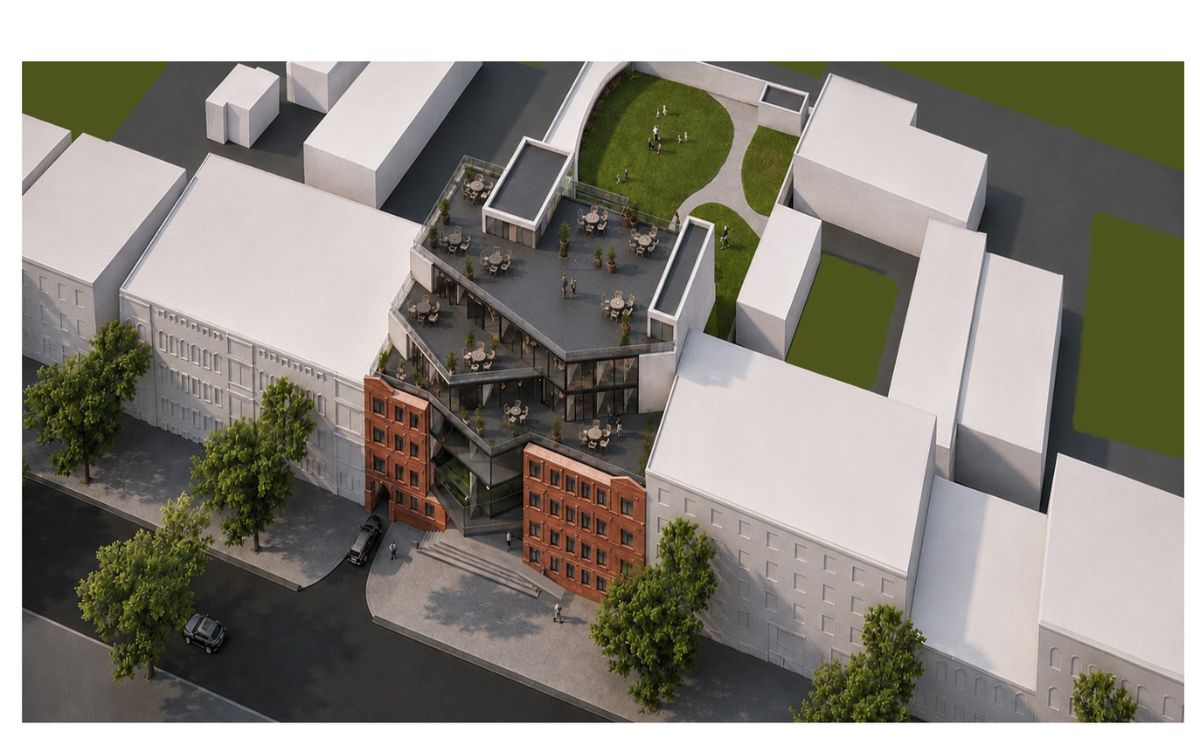
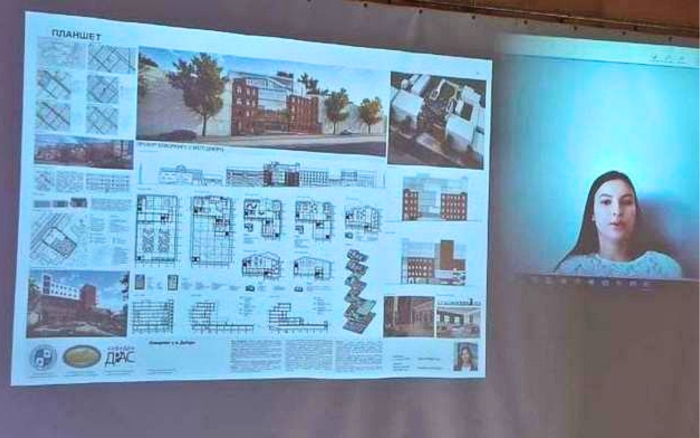
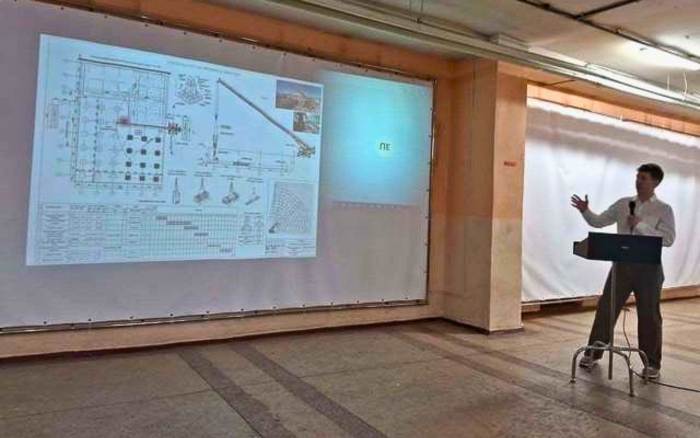
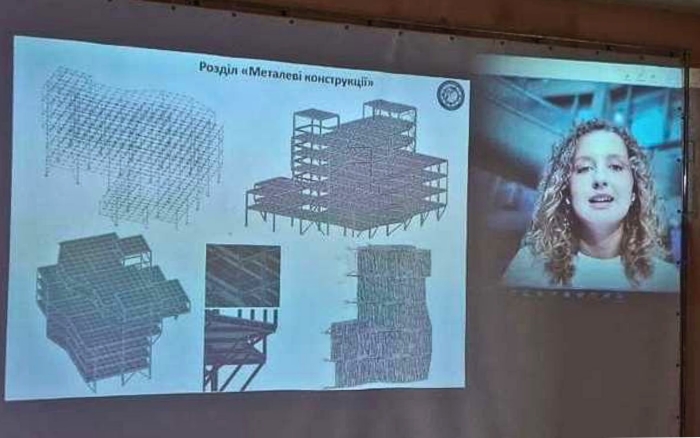
This format made it possible to bring diploma project work as close as possible to the realities of contemporary construction industry. Within a single project, architectural, structural, technological, organisational, economic, and engineering solutions were integrated, reproducing the full cycle of professional design practice.

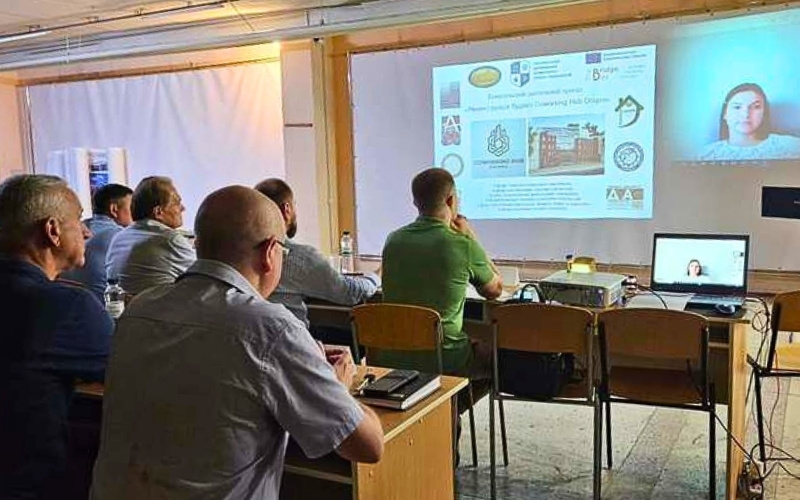
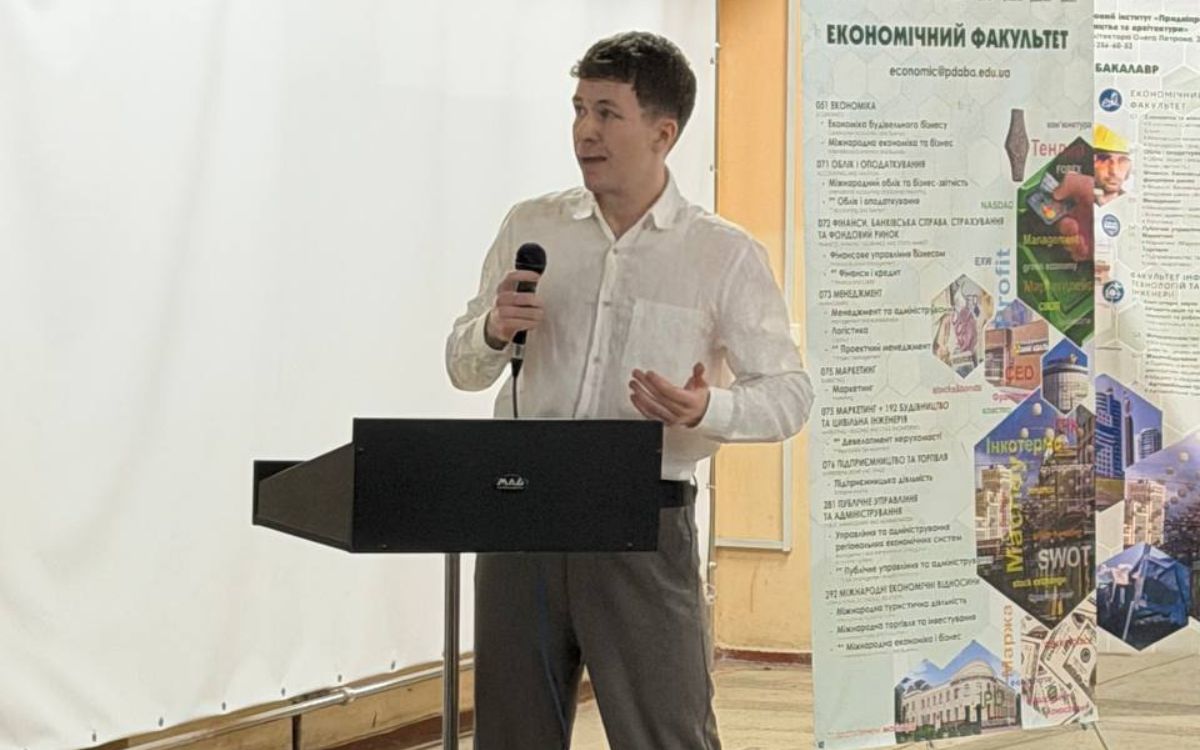
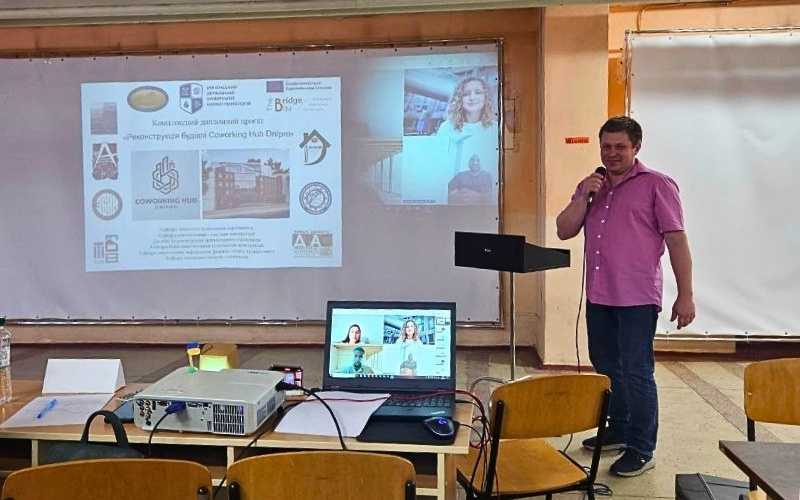
The project’s connection with the university’s international activities adds particular significance to its implementation. The defence of the comprehensive diploma project took place within the framework of the international Erasmus+ CBHE The BRIDGE project (‘Bridging the Gap Between University and Industry’), coordinated by the SEI ‘PSACEA’. The project aims to advance modern engineering education, promote the implementation of BIM technologies, and strengthen cooperation between universities and industry, enabling future professionals to work on real-life practical cases during their studies.
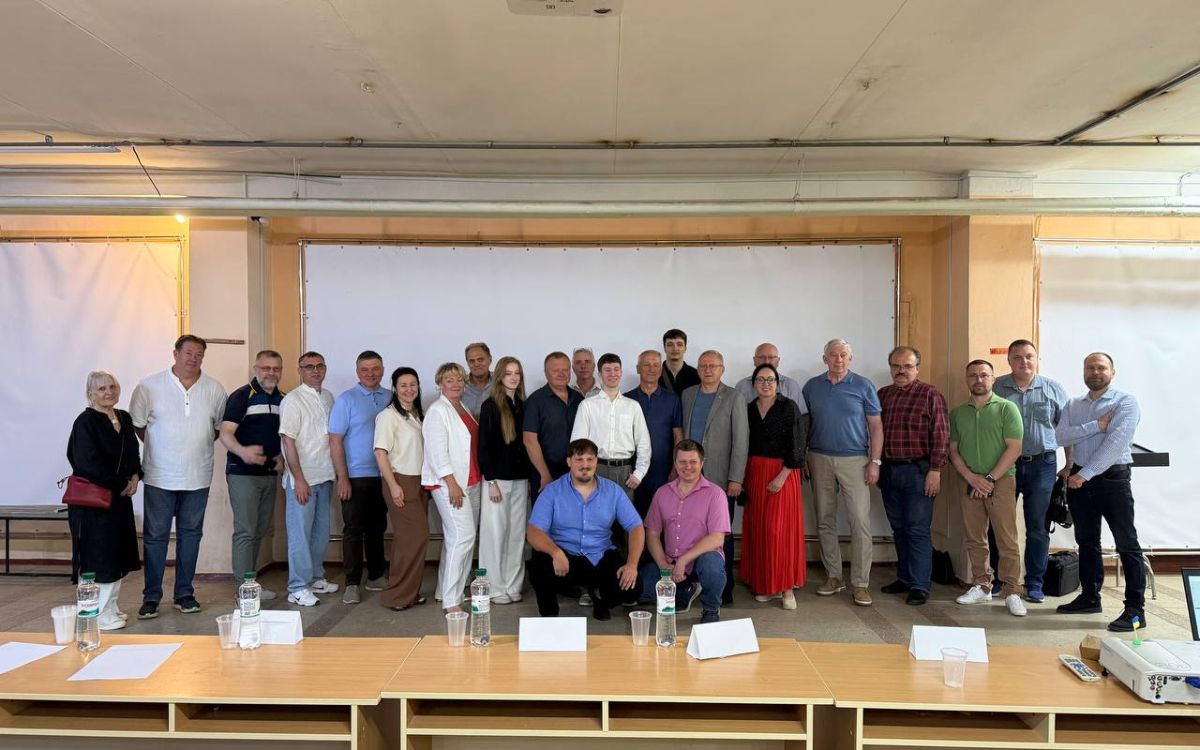
During the defence, the members of all five examination committees highlighted the high quality of the project’s development, its practical value, and its relevance to the processes of rebuilding Ukrainian cities. The presented solutions demonstrated the readiness of future architects, engineers, and construction professionals to address complex professional challenges comprehensively, applying modern digital tools and international approaches to design.
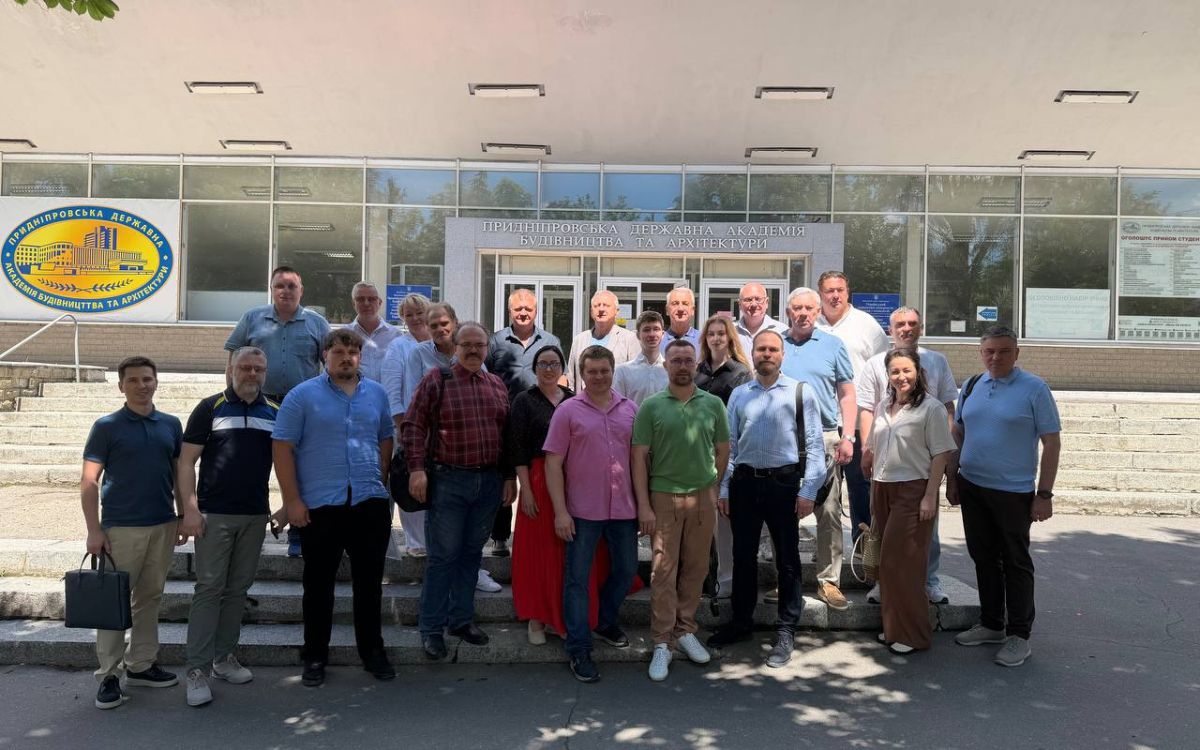
The presented work became not only a successful diploma project, but also a demonstration of how students and academic staff of the Ukrainian State University of Science and Technologies see the future of Ukrainian cities: through the combination of architectural heritage preservation, innovative technologies, digital design, and the creation of a modern and comfortable urban environment. The symbolic conclusion of the project was included in the words of its authors: ‘We are transforming the scarred walls of the past into the foundation of the future’. This idea best reflects the mission of contemporary architectural and construction education at USUST – to educate professionals who could not only design buildings, but also create spaces for Ukraine’s future revival.