
USUST Presents a Monograph on the Future of Dnipro
At the end of 2025, a collective monograph titled ‘Prospects for Architectural and Urban Development Transformations of the City of Dnipro’ was published. The volume was prepared by the researchers of the SEI ‘Prydniprovska State Academy of Civil Engineering and Architecture’, of the Ukrainian State University of Science and Technologies. The publication became a significant scholarly event for professionals in the fields of architecture, urban planning, urban studies, and spatial development.


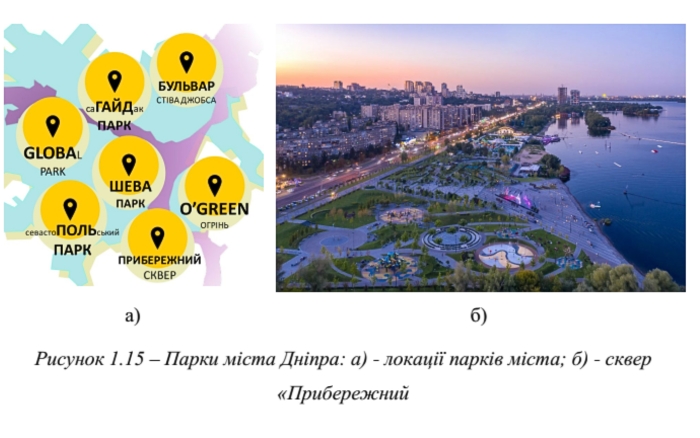

At the end of 2025, a collective monograph titled ‘Prospects for Architectural and Urban Development Transformations of the City of Dnipro’ was published. The volume was prepared by the researchers of the SEI ‘Prydniprovska State Academy of Civil Engineering and Architecture’, of the Ukrainian State University of Science and Technologies. The publication became a significant scholarly event for professionals in the fields of architecture, urban planning, urban studies, and spatial development.

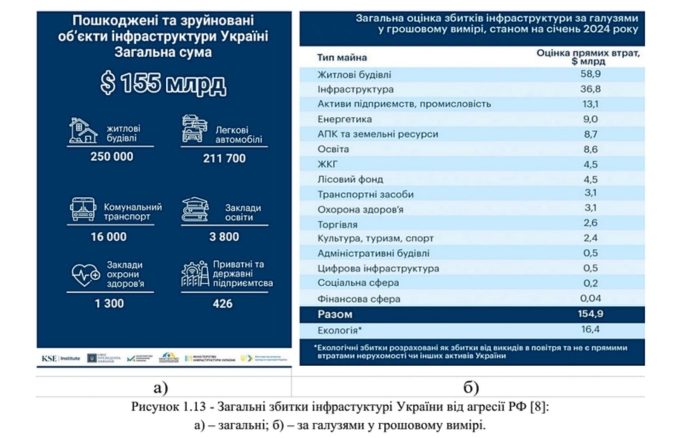
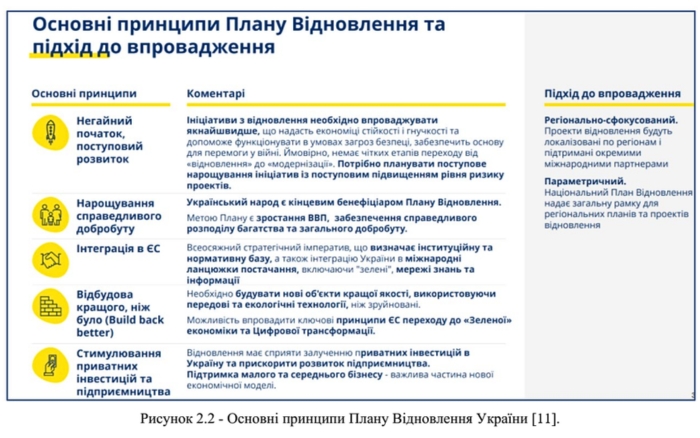
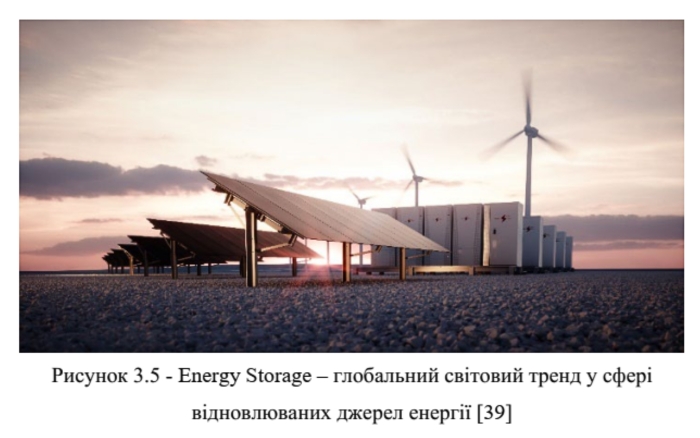
- a powerful industrial, scientific, and educational center;
- a key element of the frontline region;
- a promising innovation hub with a well-developed IT sector;
- a city capable of combining economic efficiency with a high quality of life.
- urban development strategies under wartime and global threats;
- spatial security and resilience of urban infrastructure;
- environmental and urban renovation of depressed areas;
- transformation of industrial zones into recreational and mixed-use spaces;
- formation of a green and ecological framework of the city.
- renewal of residential development with a shift away from standardized solutions;
- integration of European urban planning practices into the local context.
- reconstruction of Dnipro should represent strategic modernization rather than a return to the past;
- safety should become a fundamental principle of urban planning decisions;
- standardized development no longer meets the challenges of a big city;
- the city should be multifunctional rather than divided into isolated zones.
- industrial territories are viewed as a strategic reserve for future development;
- ecology and urban planning should function as an integrated system;
- interdisciplinarity is a key to effective spatial planning.
- Mykola Savytskyi, Doctor of Technical Sciences, Professor, Vice-Rector for Research and Academic Affairs, International Activities and Innovative Development;
- Viktor Vorobiov, Candidate of Architecture, Associate Professor.
- The reviewers of the monograph were:
- Ivan Nazarenko, Doctor of Technical Sciences, Professor, President of the Academy of Construction of Ukraine;
- Oleksandr Kharlan, Candidate of Architecture, Associate Professor. Dean of the faculty of Architecture of USUST.