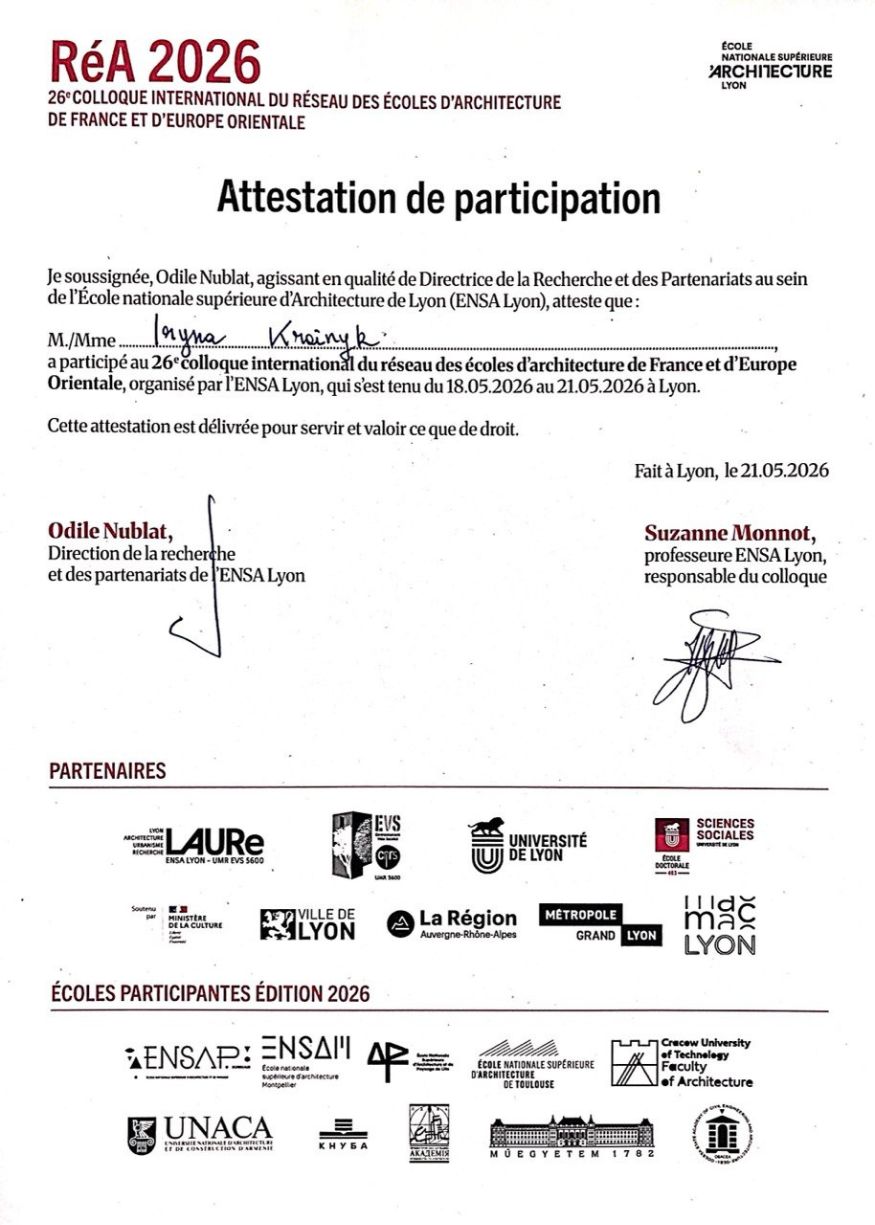
USUST architects represent Ukraine at the International RéA 2026 Symposium in France
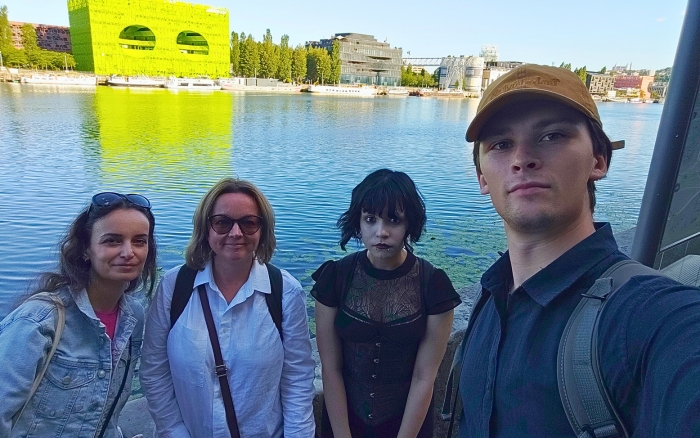
From 18 to 21 May 2026, the representatives of the Faculty of Architecture of the Ukrainian State University of Science and Technologies participated in the XXVI International Symposium of the RéA Network of Schools of Architecture of France and Eastern Europe. The event was hosted by the National School of Architecture of Lyon (French Republic) and served as one of the leading platforms for international academic dialogue among architecture schools in France and the countries of Central and Eastern Europe.
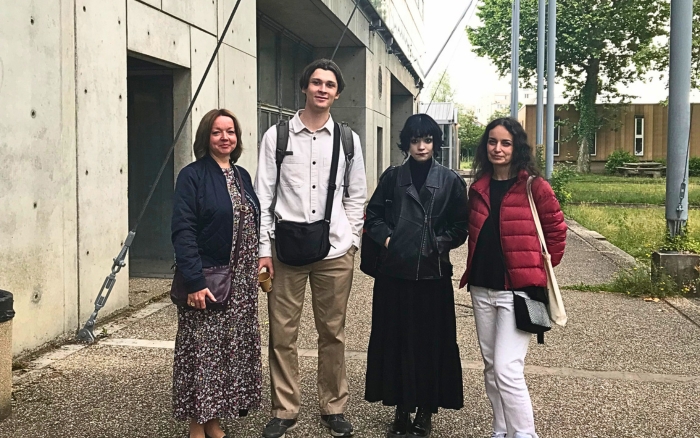
The USUST delegation included:
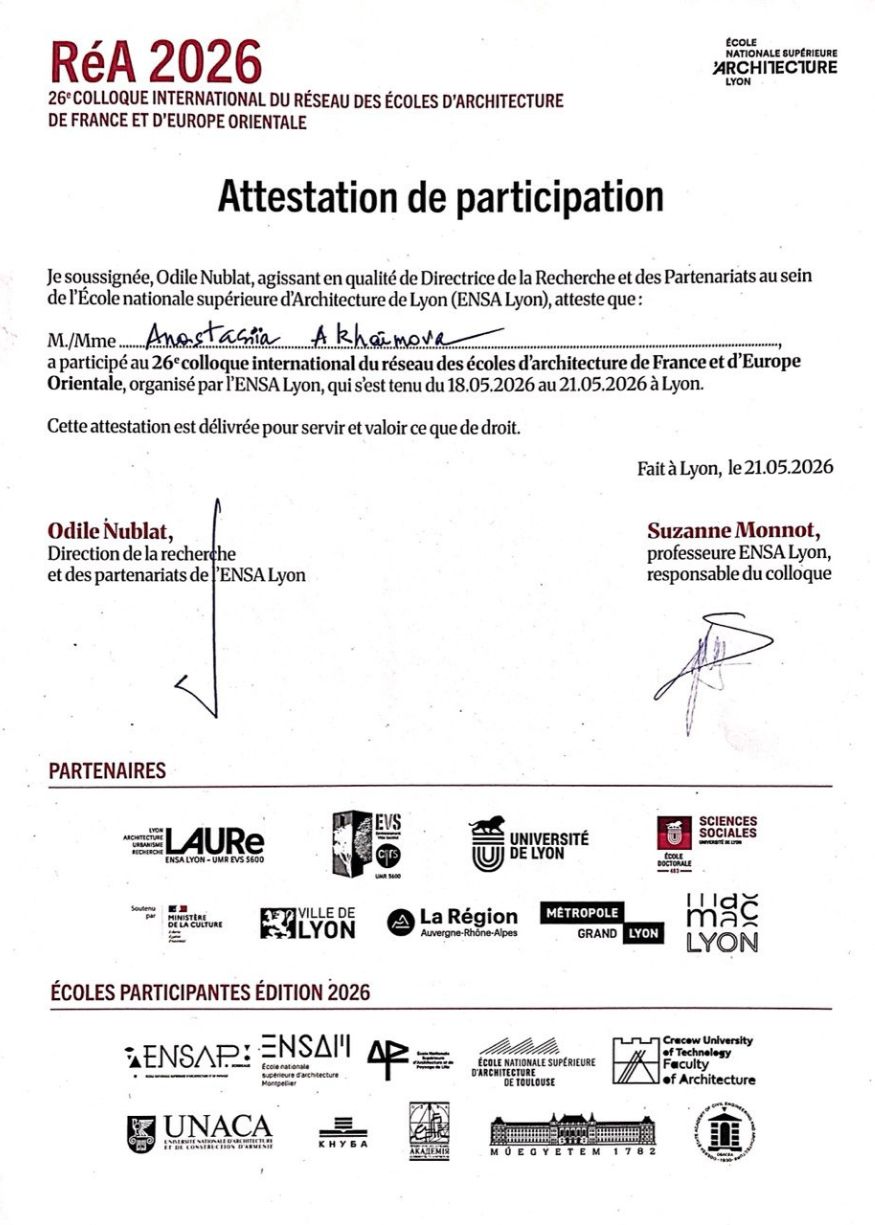
- Anastasiia Akhaimova, Candidate of Architecture, Associate Professor of the Department of Design and Reconstruction of the Architectural Environment;
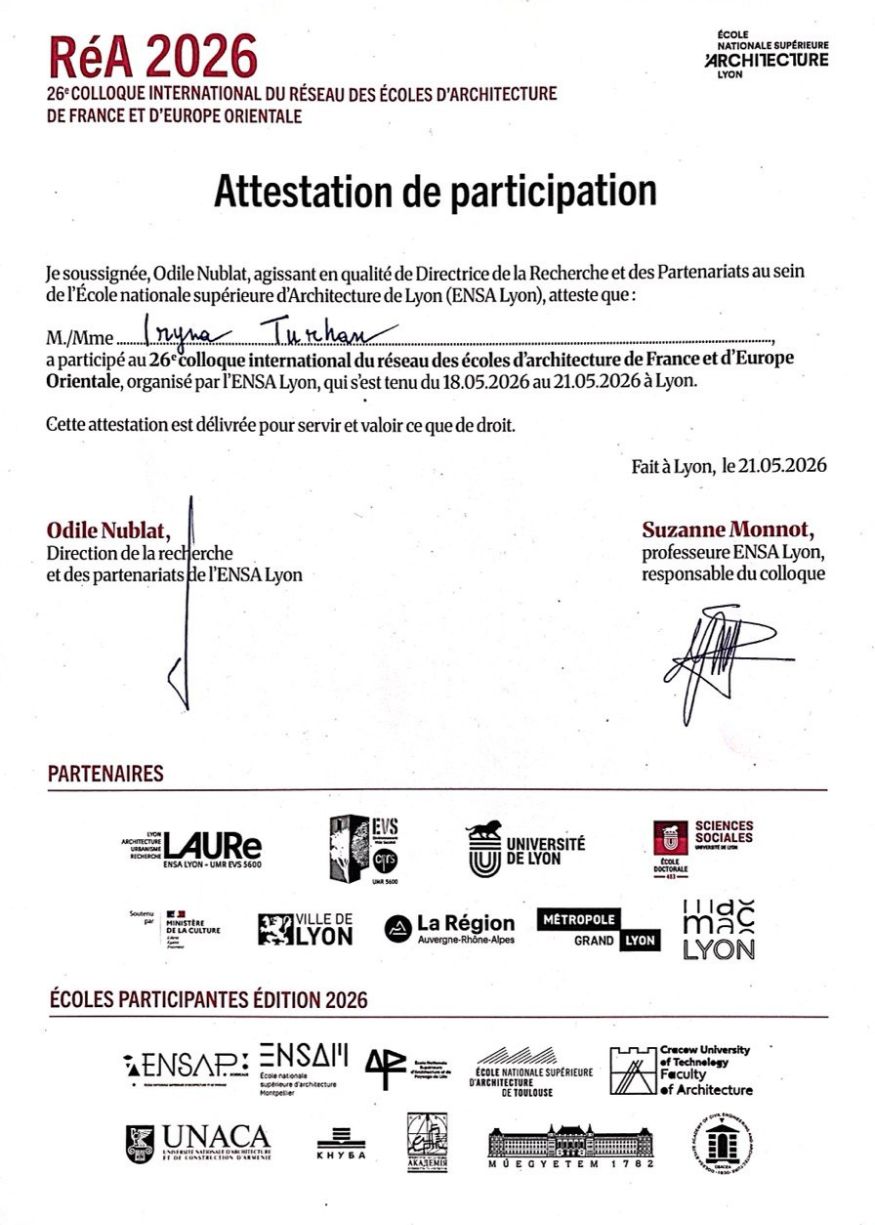
- Iryna Turhan, Assistant Lecturer at the Department of Architectural Design and Urban Planning;
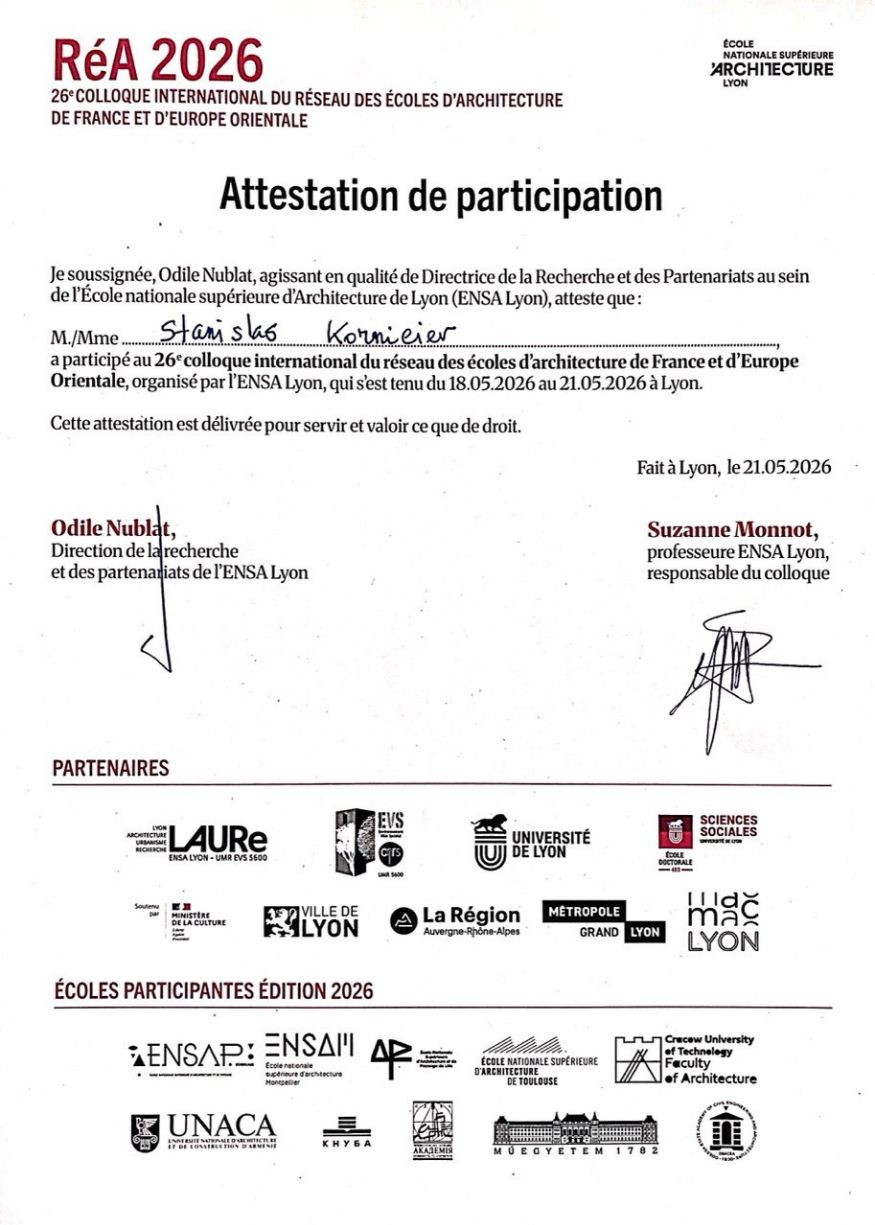
- Stanislav Kornieiev and Iryna Krainik, students of the Faculty of Architecture.
The RéA network unites around twenty schools of architecture and universities from France and the countries of Central and Eastern Europe. Its annual symposium is an important platform for strengthening international cooperation, conducting joint research initiatives, and discussing current trends in architecture, urbanism, and spatial development.
This year’s symposium brought together representatives of eleven architecture schools from France, Poland, Hungary, Armenia, and Ukraine. The forum focused on the issue of architectural robustness and adaptability in the face of contemporary challenges under the theme ‘Beyond Resilience: Towards Architectural Robustness in Times of Instability’. The participants were invited to reflect on the concept of ‘robustness’ as the capacity of architectural and urban systems not only to recover from crises, but to continuously adapt to climate change, social challenges, and the uncertainties of the future.
The RéA 2026 programme was structured around four thematic areas:
- Research: Beyond resilience: towards architectural robustness in times of instability – presentations of research studies and projects;
- Exhibition: Cool refuges and climate intelligence in French and Eastern European cities – an exhibition of student work;
- Pedagogies: Experiential learning in architecture: preparing future architects for change and repair – an exchange of contemporary pedagogical practices;
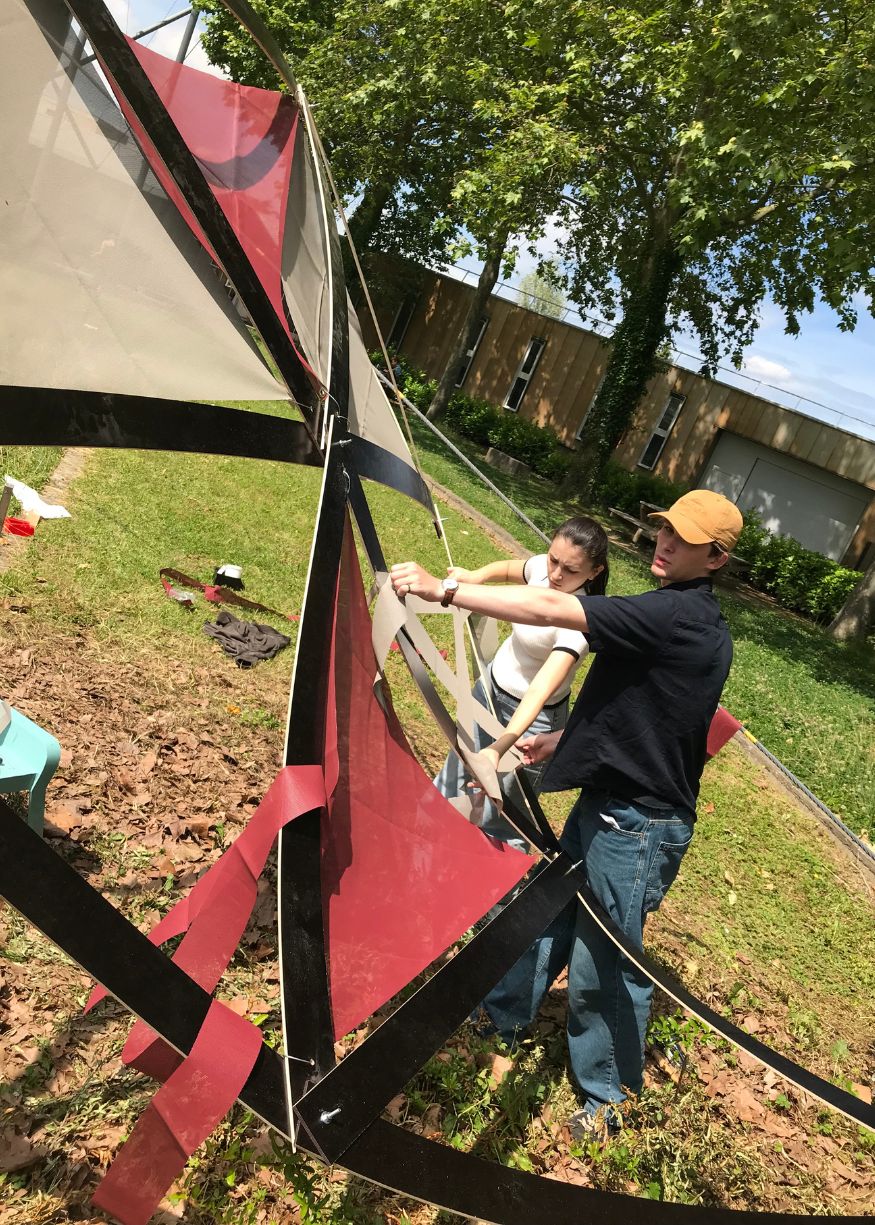
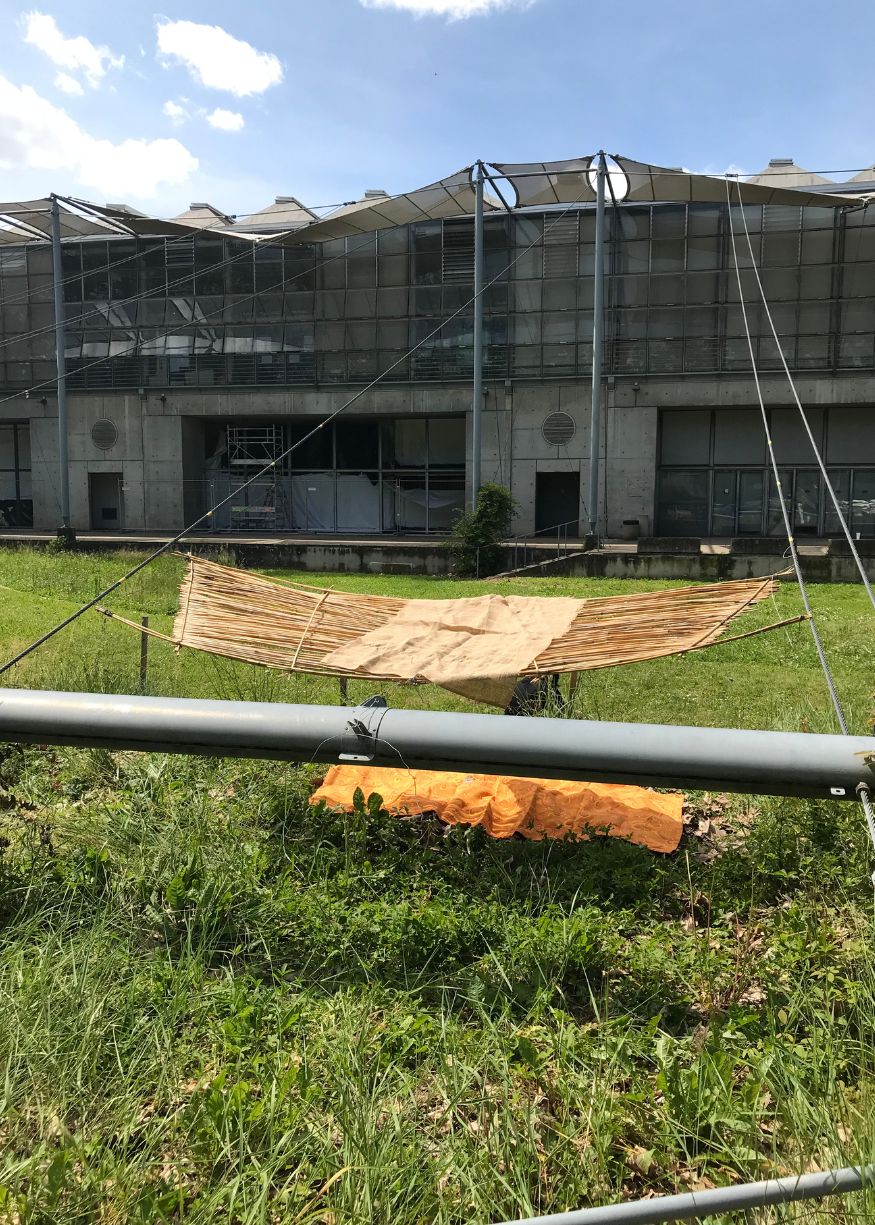
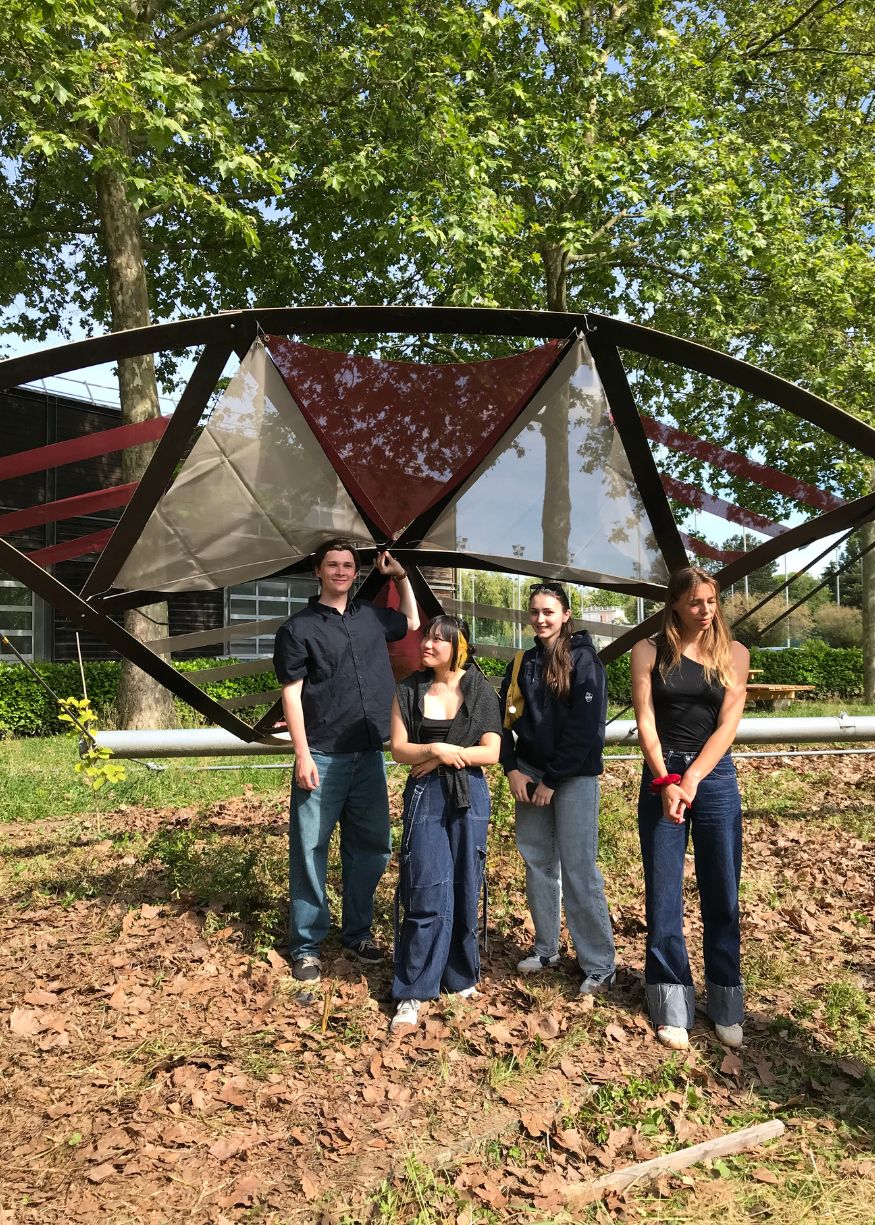
- Workshop: Building shade: a collective experiment – an international student workshop focused on the design and construction of experimental structures.
As part of the ‘Research’ section, USUST representatives presented the experience of term and diploma design projects developed at the Faculty of Architecture and demonstrated how contemporary educational approaches integrate the principles of sustainable development, adaptability, and architectural resilience.
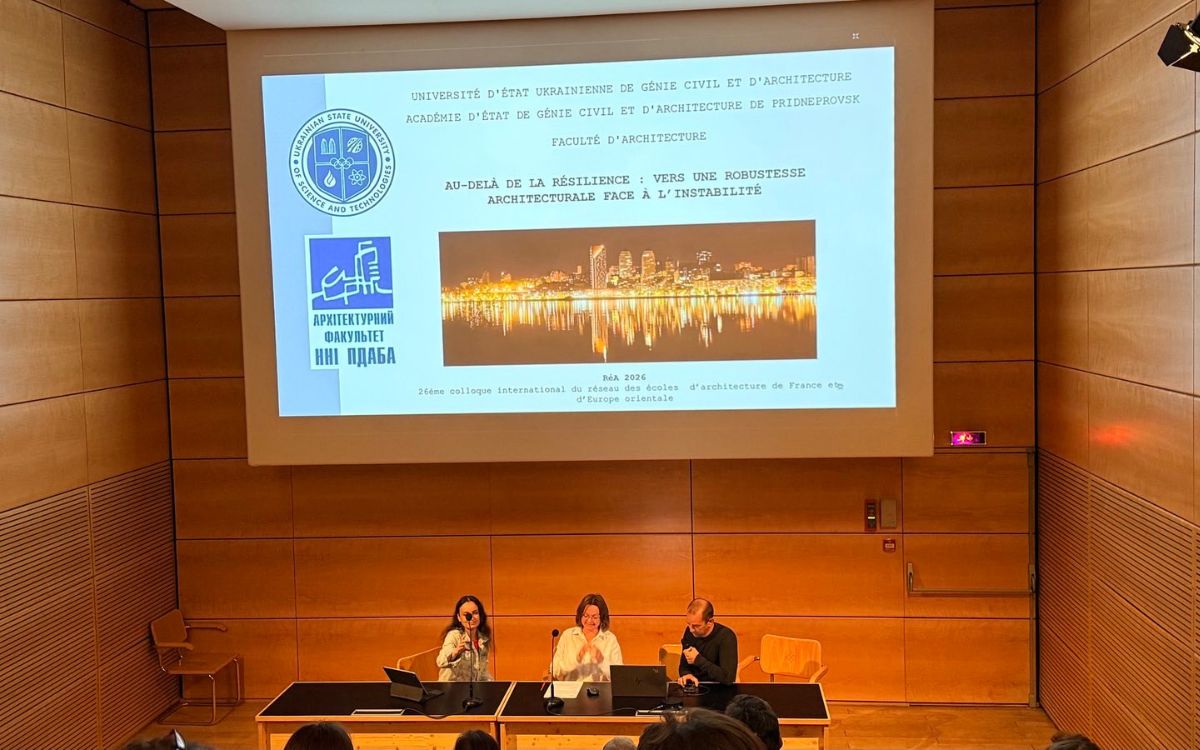
During the ‘Pedagogies’ section, symposium participants were introduced to the experience of the Faculty of Architecture of the SEI ‘PSACEA’ in implementing elements of emperical pedagogy.
The presentation focused on the implementation of practice-oriented educational approaches, the creation of real architectural and design objects, the organisation of workshops beyond the academy, and cooperation with architectural studios and design organisations. Particular attention was given to teaching methods based on collective creativity, experimentation with materials, and prototyping.
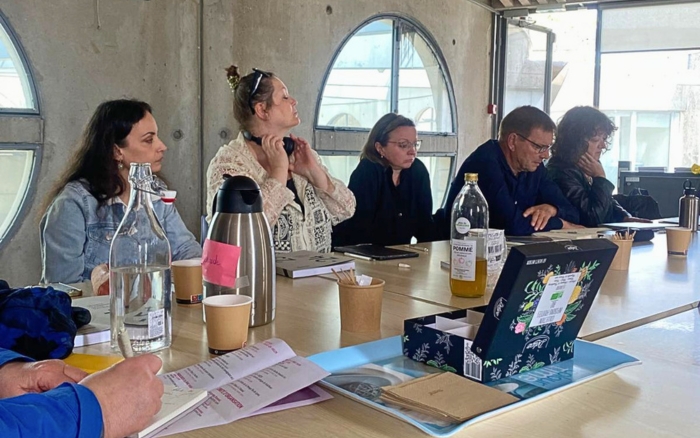
The symposium also featured academic discussions, round tables, professional meetings, and lectures by leading European architects and researchers. In particular, the participants had the opportunity to attend an open conference by Florence Lipsky, Professor at the National School of Architecture Paris-La Villette, dedicated to contemporary approaches to environmental design in the context of climate and social transformations.
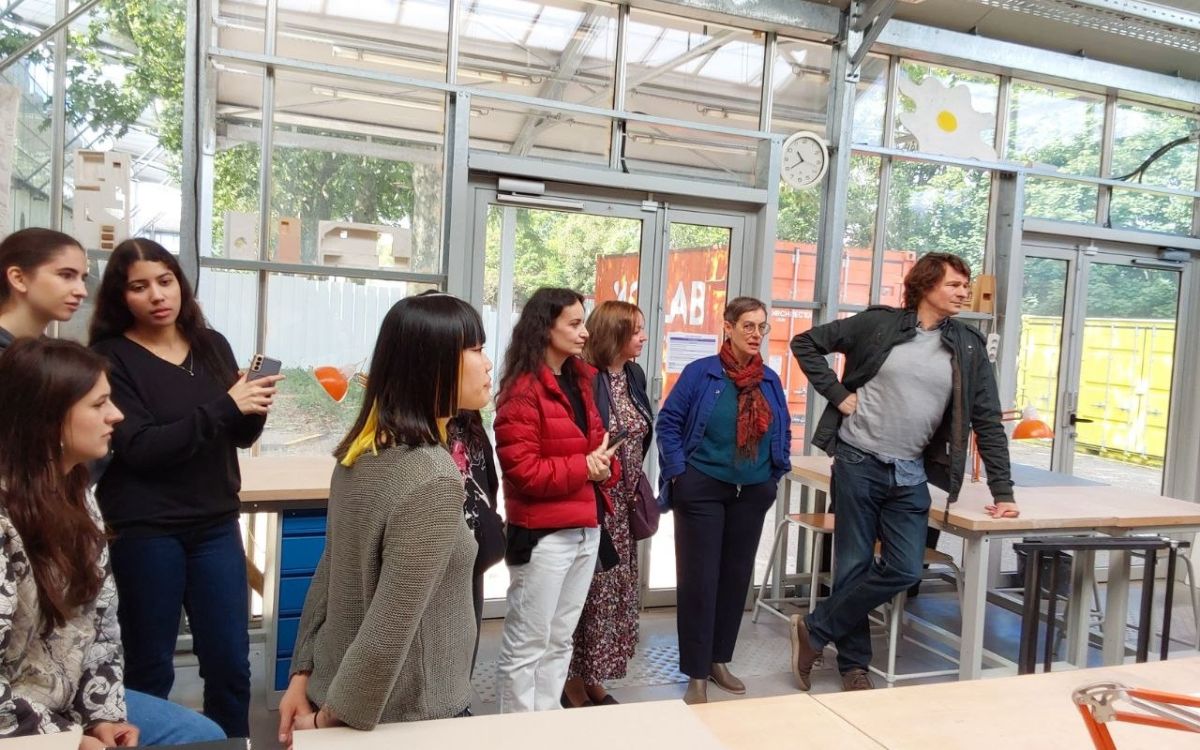
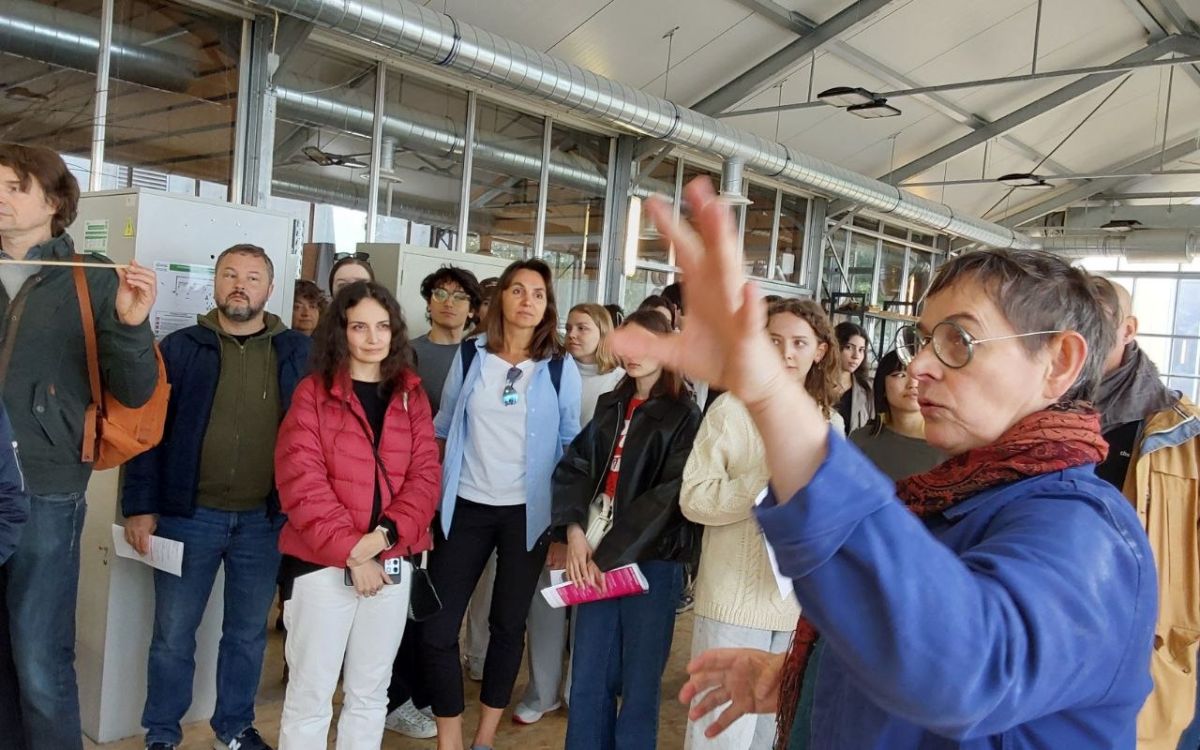
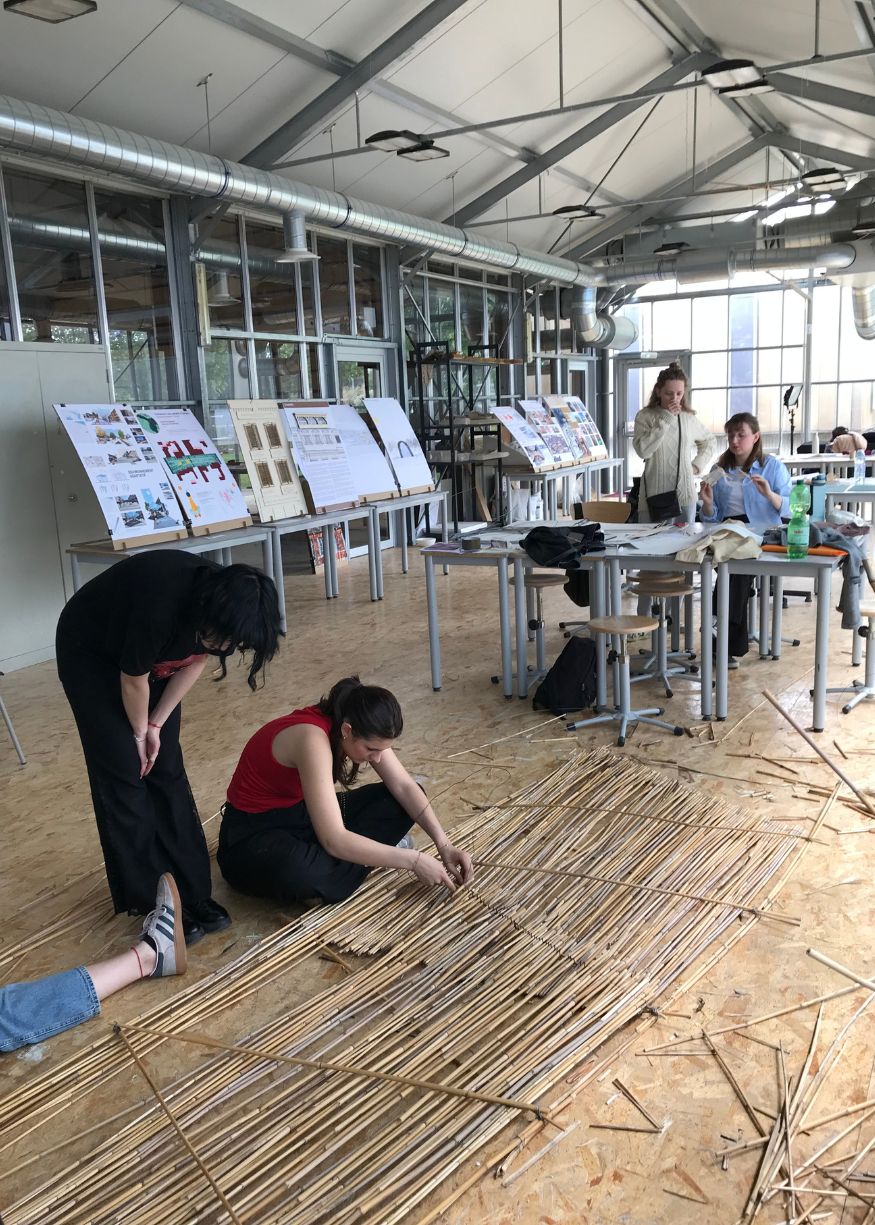
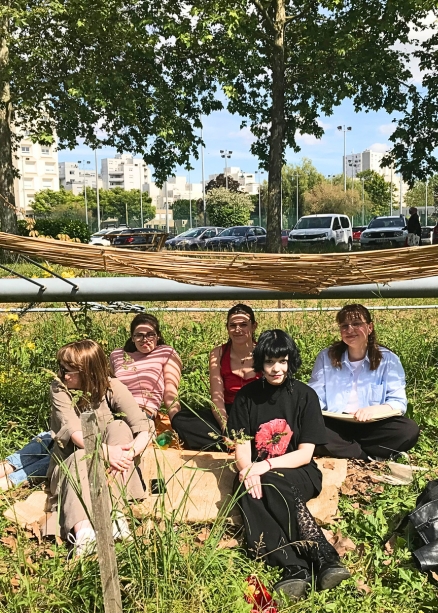
One of the most engaging elements of the programme was the international workshop ‘Building Shade: A Collective Experiment’, implemented in partnership with the Grands Ateliers (GAIA) research platform.
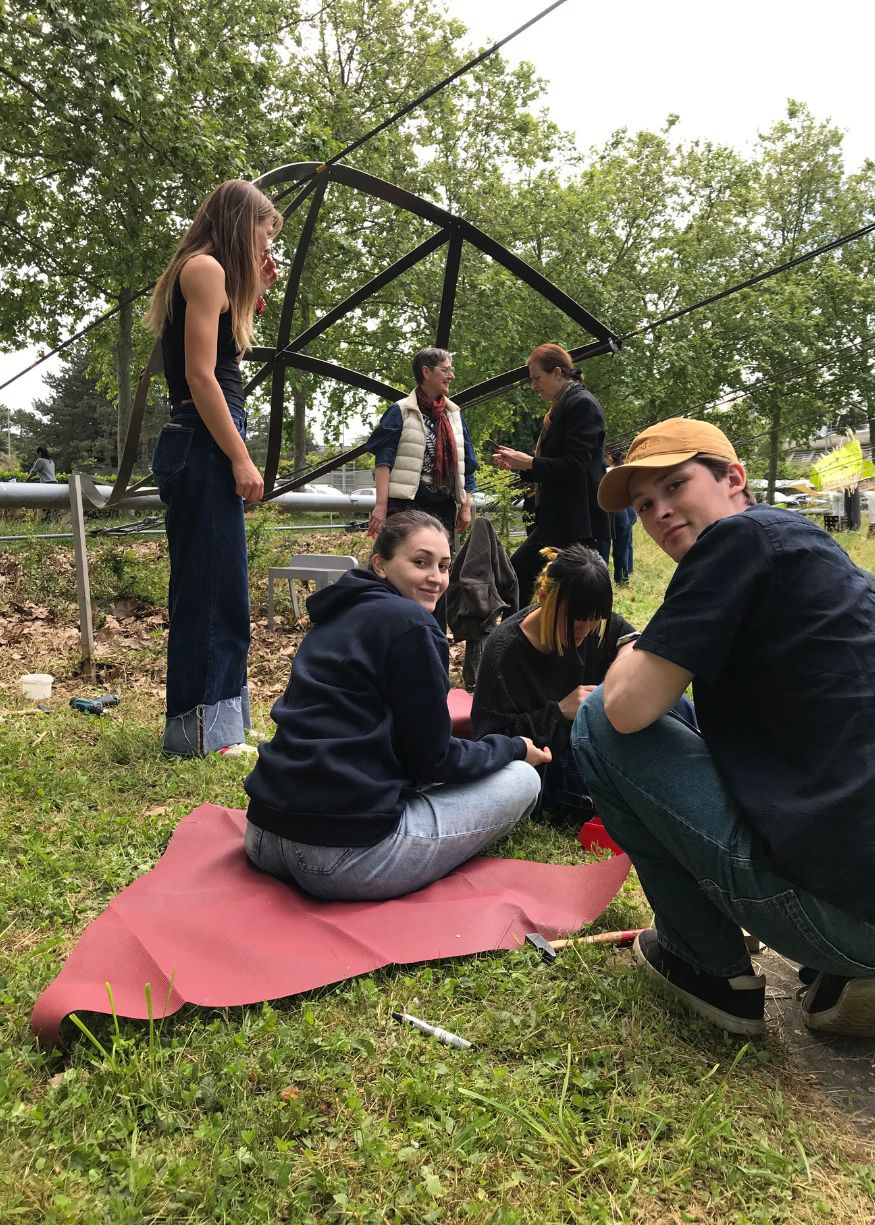
The participants were divided into five international teams, each working with specific biomaterials and geomaterials and exploring their potential for creating architectural structures.
USUST students Stanislav Kornieiev and Iryna Krainik joined the work of the international teams and demonstrated a high level of preparation, a creative approach, and the ability to work effectively in a multicultural environment.
The participation of the Faculty of Architecture of the SEI ‘PSACEA’ USUST in RéA 2026 was an important step in the development of international academic cooperation, the expansion of professional contacts, and the promotion of Ukrainian architectural education at the European level. At the same time, it confirmed the readiness of Ukrainian academics and students to take an active role in shaping contemporary architectural discourse, which today defines approaches to the reconstruction, transformation, and sustainable development of cities in Europe and around the world.