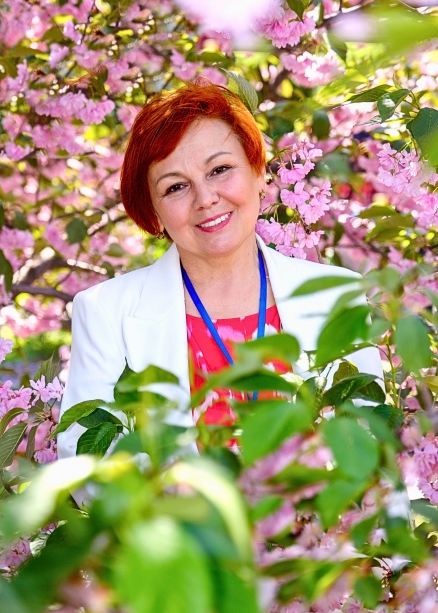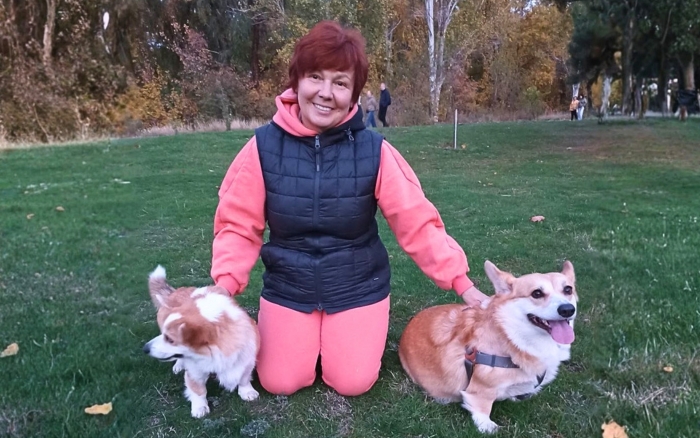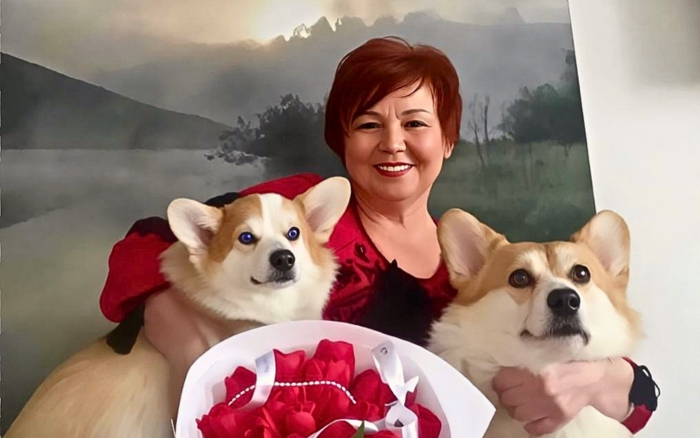
The University is my love, my mission, my life: an interview with Olha Ryzhova
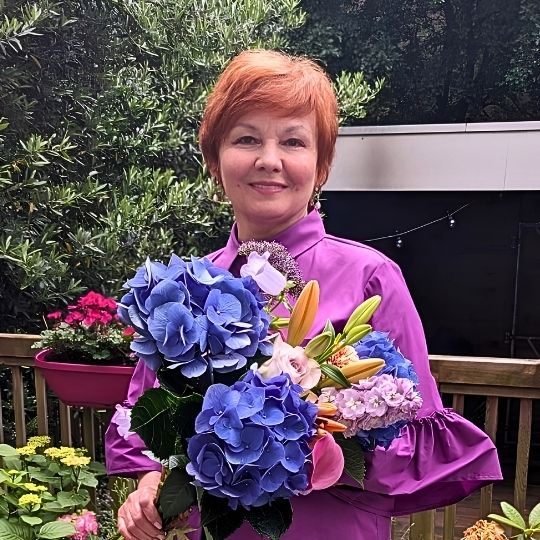
Half a century ago, she entered the Dnipropetrovsk Chemical-Technological Institute for the first time. Since then, generations of students have changed, the name of the institution has changed, scientific priorities have evolved, and even the country itself has transformed. Yet one thing has remained unchanged: her devotion to the university,  science, and  people.
 
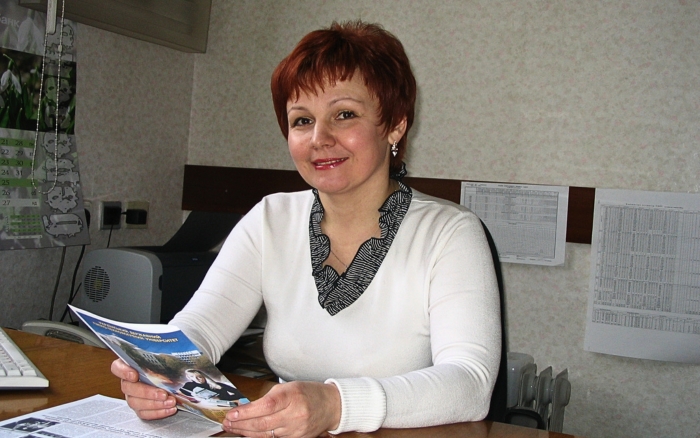
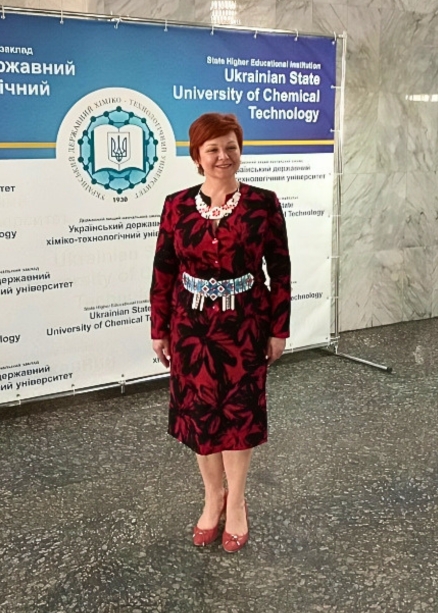
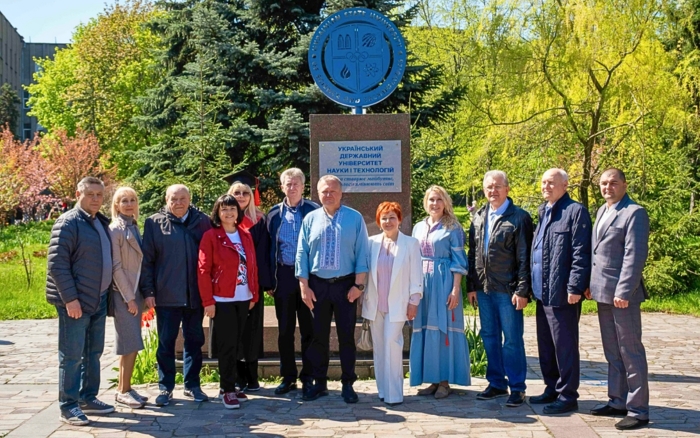
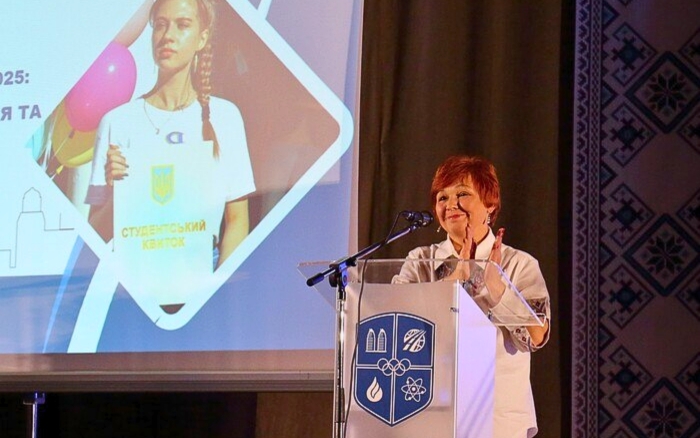
This year marks 50 years since Olha Petrivna Ryzhova began her journey at her alma mater. Today, she is a Doctor of Technical Sciences, Professor, and Vice-Rector for Research and Academic Affairs, Advertising, Information Activities and Communications at the Ukrainian State University of Science and Technologies. Over these decades, she has gone from being a student and young researcher to becoming one of the leaders of the region’s largest multidisciplinary university.
 
In 1981, Olha Ryzhova graduated with honours in ‘Chemical Technology of Glass and Glass-Ceramics’. In 1987, she defended her Candidate of Sciences dissertation ‘Low-Cobalt Ground Coats for Steel’, and in 2020, her doctoral dissertation  ‘Scientific Foundations of the Technology of Coloured Environmentally Friendly Glass Enamels’. In 2023, she was awarded the academic title of Professor.
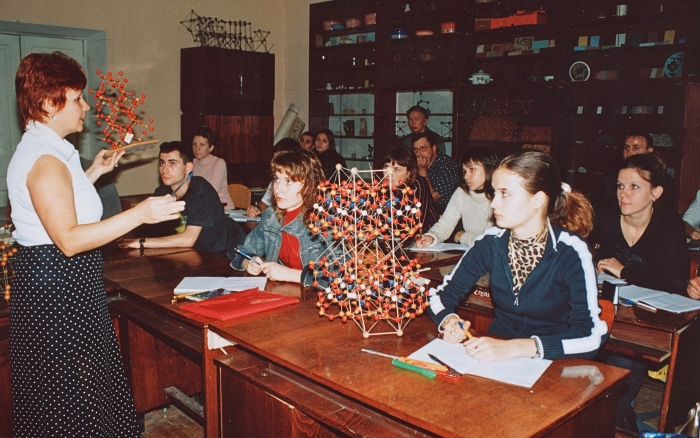
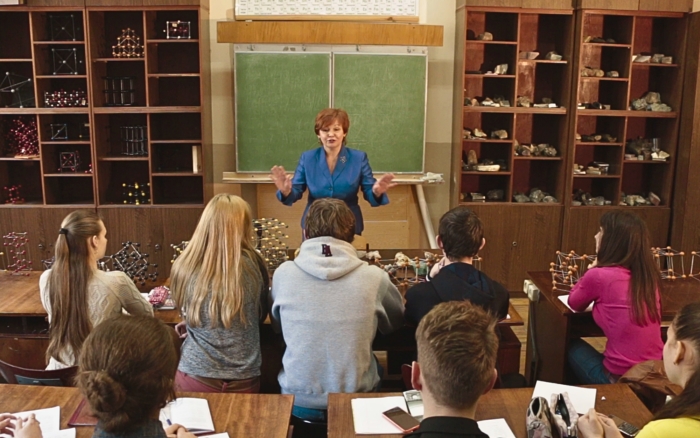
Her research interests include colour science, materials science, the development of environmentally friendly artistic and jewellery glass, decorative coatings, and modern enamel materials. At the same time, many years of administrative work have not distanced her from the classroom or from students. Professor Olha Ryzhova continues to teach courses related to crystallography, mineralogy, the structure of silicate materials, and methods for studying biomaterials, while also actively mentoring young researchers.
 
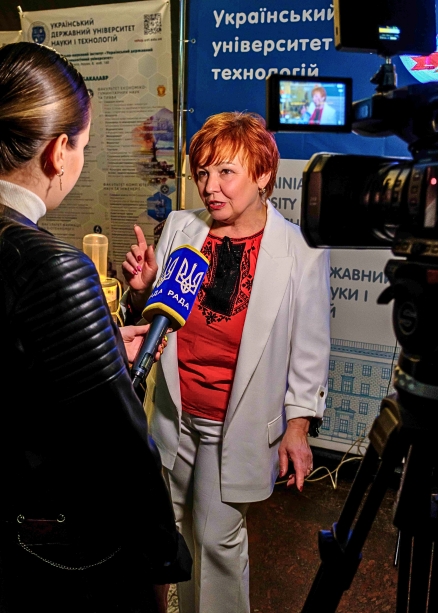
In an interview for the ‘Interview on the Topic’ column, Olha Petrivna shared memories of her student years, reflected on her professional journey, spoke about today’s youth and the future of technical education, and explained why the university has long become much more than just a workplace for her.

– Olha Petrivna, half a century at the university is almost an entire era. What comes to mind first today?
– The brightest memories are from my student years. Not lectures or exams, although I studied very well, graduated from school with a gold medal and from the institute with honours. What I remember first is the theatre. We had our own student theatre, which later received the title of people’s theatre. There I understood that life is not limited to lectures, formulas, and laboratories. Life is about people beside you, about creativity, emotions, and shared endeavours.
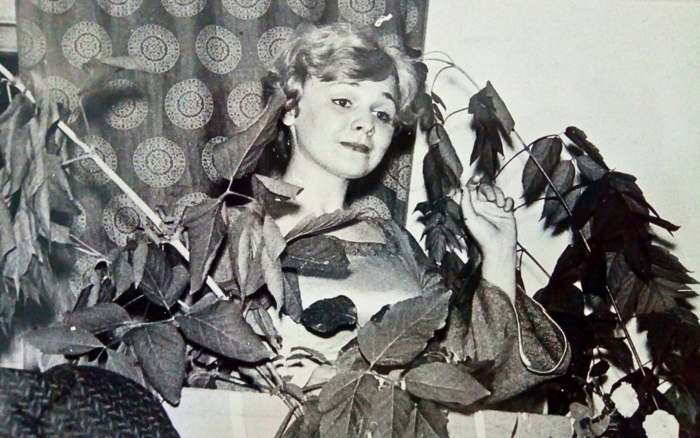
Yevhen Chepurniak, who later became a People’s Artist of Ukraine, studied in our group. We performed together on stage and grew up together. Later, everyone followed their own path. Yevhen headed the KVN theatre, while I chose science. But those years taught us to work as a team, to dream big, and to build friendships.
In the Museum of the History of the Ukrainian State University of Chemical Technology, there is a painting in a prominent place showing a student presenting flowers to Volodymyr Shcherbytskyi, party leader of the Ukrainian SSR. According to legend, that student was Olha Ryzhova.
 
It is indeed a legend, because in reality everything happened the other way. During Shcherbytskyi’s meeting with the institute staff at the Palace of Students, I was invited to deliver a greeting speech as an excellent student and active member of university. My address to the student years of  the distinguished guest’s attracted attention because it was not a formal protocol speech. After my address, Volodymyr Shcherbytskyi presented me a large bouquet of red carnations.
Later, the artist interpreted this story in his own way.

– So, during your student years, you managed to do everything: study, perform in the theatre, and start a family.
– Yes, I studied very well. But, to be honest, I did not love chemistry. Even before entering the institute, I dreamed of becoming an actress. But my mother said firmly: first the institute, and then whatever you want. In the end, life took a different path.

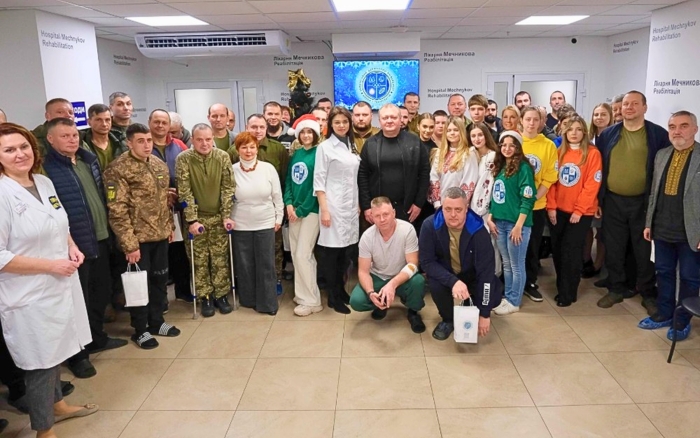
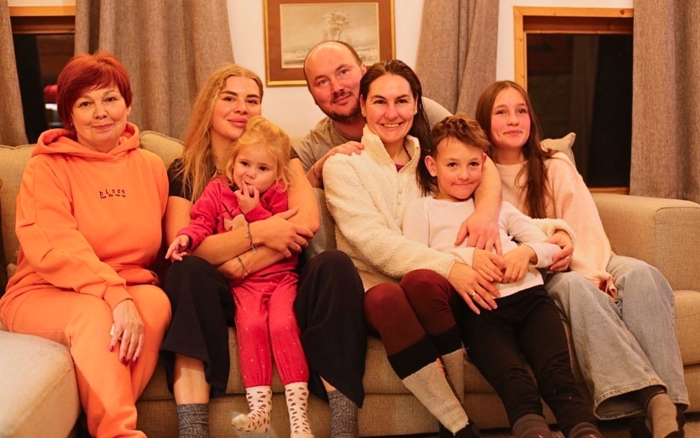
My husband and I got married while we were still students. I gave birth to my son two weeks after defending my diploma thesis. Later, both my son and daughter graduated from the Chemical-Technological Institute. Today, both are highly qualified professionals. For a long time, my son helped deliver vehicles for the military to the frontline. My daughter works as a psychologist, helping people who have experienced loss and the trauma of war.
The war has also affected our family. In the first days of the full-scale invasion, my daughter’s husband volunteered for military service and was killed at the front. This is a great tragedy for our family.

– You have seen more than one generation of students. How does today’s youth differ from your generation?
– They are different. But this is neither good nor bad. The world has simply changed. I like the fact that today’s students have their own position. They are not afraid to disagree with a lecturer, ask uncomfortable questions, or search for their own path. They are free. And freedom always means development.
– You manage big projects and are involved in science and communications. What is the secret of your productivity?
– The secret is the result. I love my work not because I have to, but because I enjoy completed tasks. Over the years, I cannot recall a project that I started and did not complete. I have several life principles. The first is that I do not like changing decisions once they have been made. The second is that I do not like unfinished business.
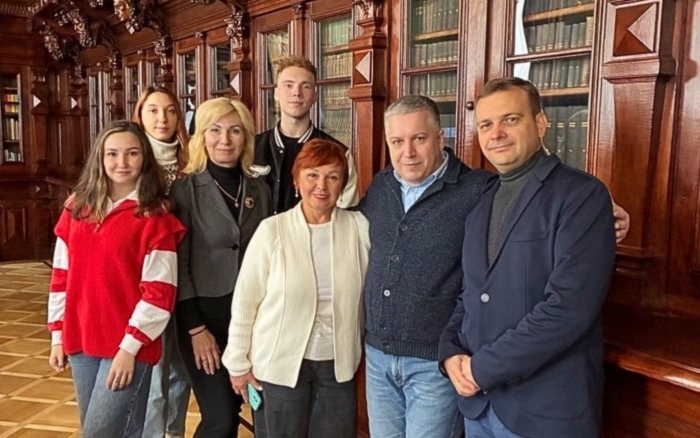
If something has been started, it must be completed properly.
– Much of your research is connected with colour and decorative materials. Where did this interest come from?
– My doctoral dissertation was indeed devoted to coloured environmentally-friendly glass enamels. To put it simply, it was about colour. It may sound simple, but in fact it is very difficult to obtain exactly the required shade after firing at temperatures above 800 degrees Celsius. We created materials for artists, jewellers, and designers. For me, it was a great joy to see that these materials were  in demand.

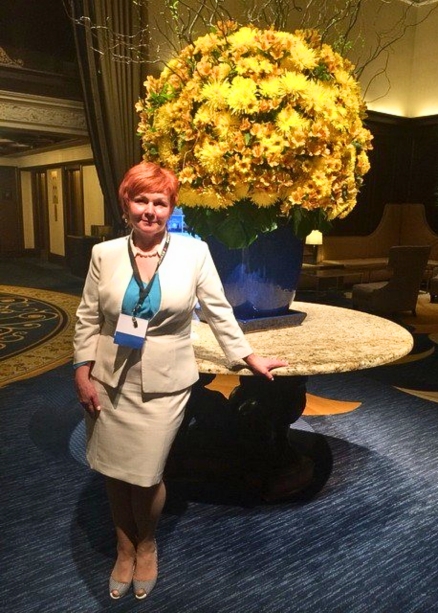
I remember a business trip to Chicago. In a café, one woman noticed a necklace that we had made together with students in the laboratory. She came up to me and said, ‘How beautiful!’ For me, it was a very special moment.

– Did this love of creativity eventually lead to large-scale university projects?
– I think it did. My husband was connected with culture and directing. He was my first critic and for many years helped organise university events.
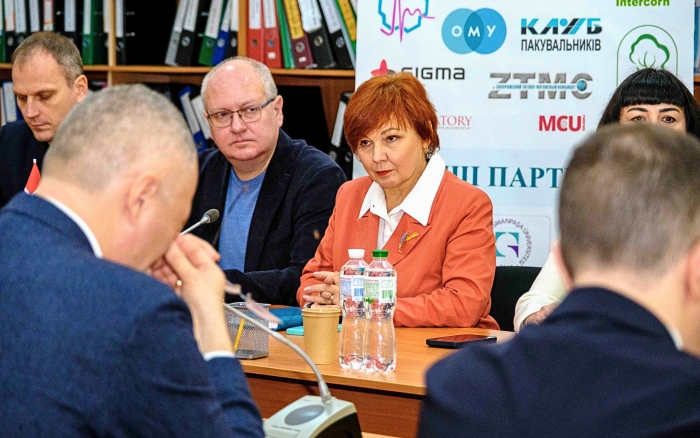
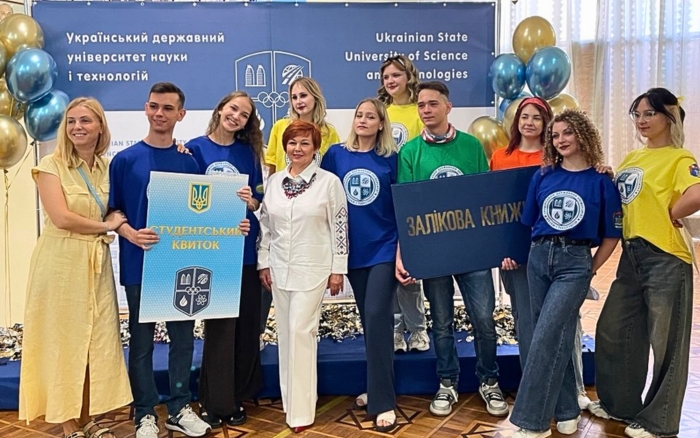
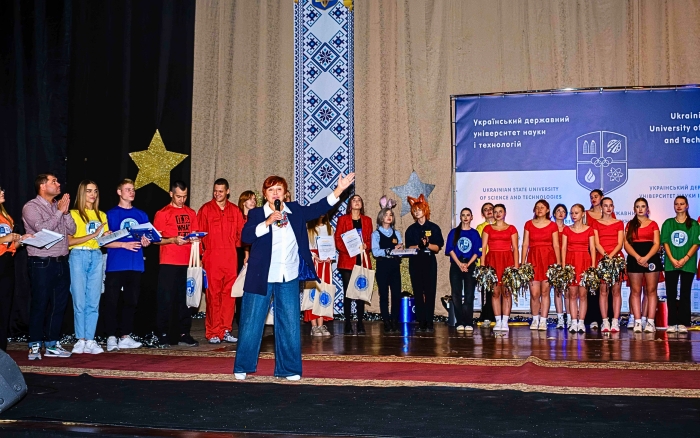
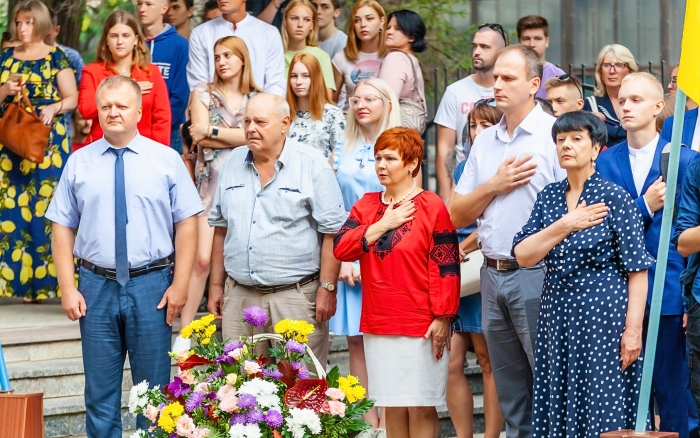
For example, Sakura Fest. It is not just a festival. It is enormous teamwork. But when you see thousands of guests coming to the university for emotions, culture, and knowledge, you understand that all the efforts were worthwhile.

– How do you see the USUST 2026 admission campaign?
– It will be very intense. We are competing for students. Because of the war, the number of school graduates has decreased, while the country needs specialists for strategic sectors more than ever – transport, metallurgy, chemistry, construction, mechanical engineering, aerospace technologies, and the digital economy.

That is why we have implemented dozens of career guidance projects: quests for schoolchildren, Open Day, Future Dnipro, Dnipro Education City, UST AI Challenge, Sakura Fest, hackathons, scientific tournaments, and outreach meetings in local communities.
Today’s applicants can no longer be interested by a brochure alone. They need to see a vision of their own future.

– What new opportunities does the university offer applicants?
– There is already a preparatory department in the ‘Winter Admission’ project. The USUST University College of Applied Sciences and Modern Technologies has been established. New interdisciplinary academic programmes are being launched, including ‘Trade Business and Product Quality in the Food Industry’, ‘Engineering and Marketing of Electronic Systems’, and ‘English-Language Communication and Artificial Intelligence’.

The world is changing, and the university is changing with it.

– Which professions will be most in demand in Ukraine in the coming years?
– First of all, engineers, builders, transport specialists, energy specialists, metallurgists, chemists, aerospace specialists, cybersecurity experts, artificial intelligence specialists, and rehabilitation professionals.
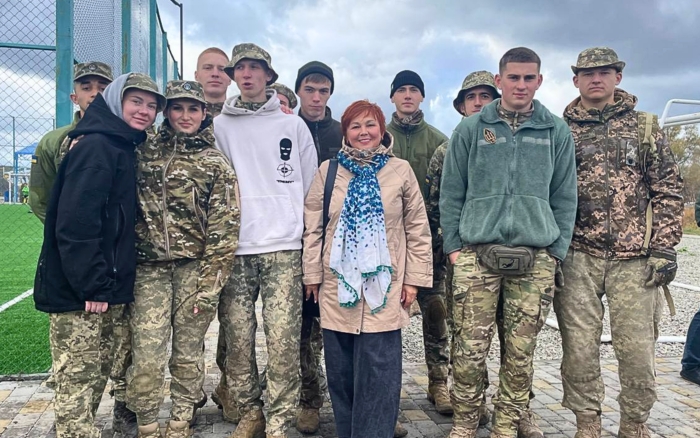
I am convinced that technical universities today are working for the future of Ukraine.

– What does the USUST brand mean to you?
A brand is not a logo or an advertising campaign. It is trust, reputation, and people’s experience.
We strive to ensure that students receive quality education, access to modern laboratories, international opportunities, a vibrant student life, and real employment prospects. This is what forms the true value of the university.

After this conversation, it becomes clear that for Olha Ryzhova, the university has long been much more than just a workplace. It is a space where her youth passed, where scientific ideas were born, where generations of students were shaped, and where large-scale projects came to life. Here, she feels equally confident in the laboratory, in the classroom, on stage, and while organising major university events.
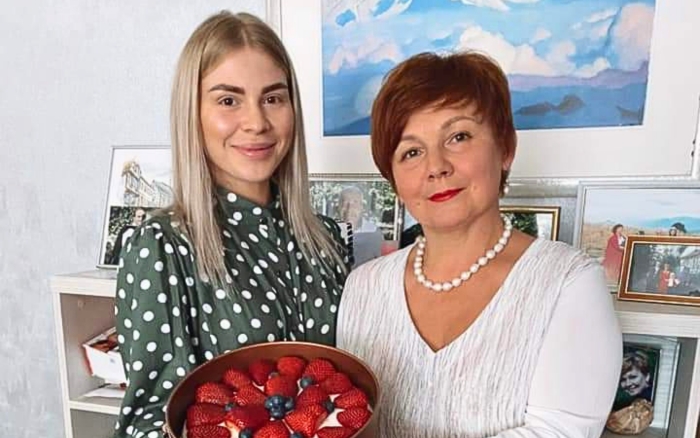
Perhaps this is why, when speaking about the future of USUST, she speaks first and foremost about people: students, lecturers, researchers, graduates – everyone who creates the university every day.
 
After all, the true history of a university is the history of the people who dedicate their lives to it.