Talk to a Defender: Lessons for the Future
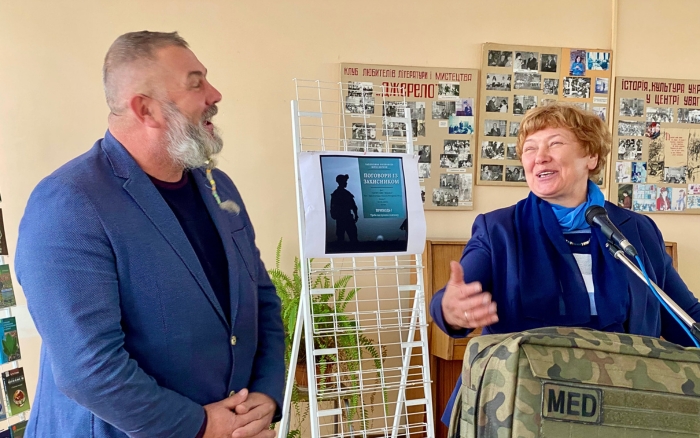
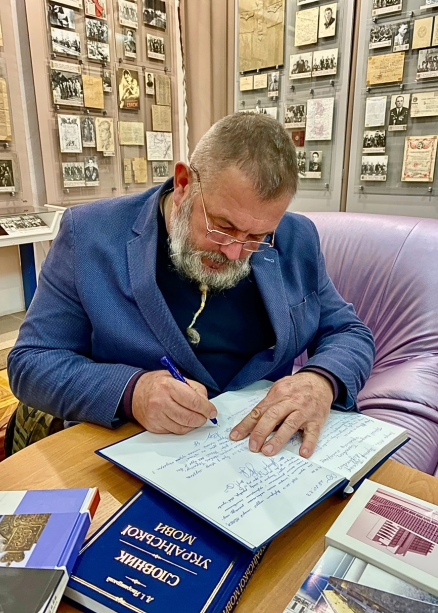
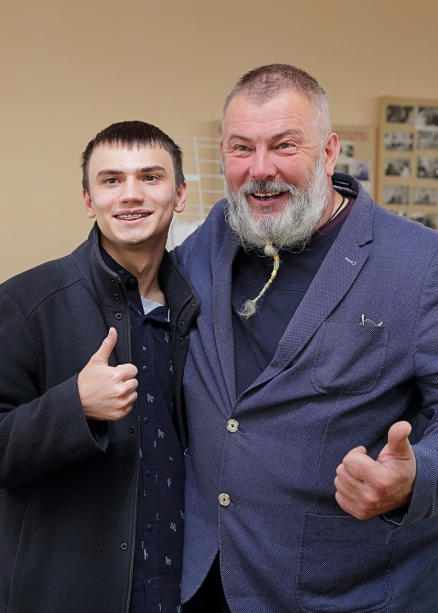
An important meeting took place at the Ukrainian State University of Science and Technologies with Yurii BEREZA, a legendary Ukrainian defender, entrepreneur, and politician. His name is well-known, especially in Prydniprovia, where he played a crucial role in defending the region during its most challenging times. Yurii Ivanovych commanded the “Dnipro-1” regiment, formed by volunteers, and led the National Defense Headquarters of Dnipropetrovsk region during the critical period in 2014, when the threat of a “Dnipropetrovsk People’s Republic” loomed.
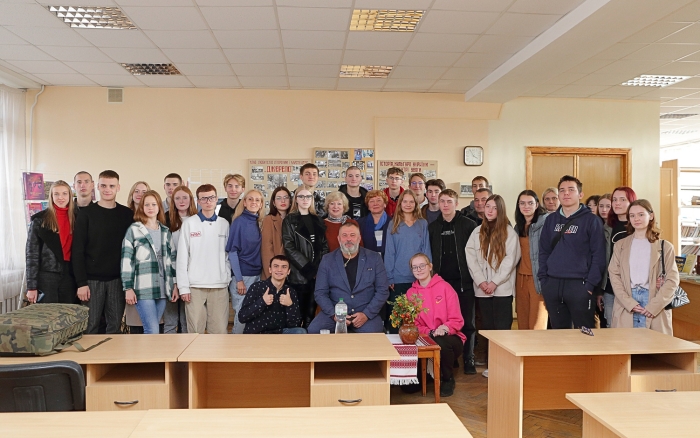
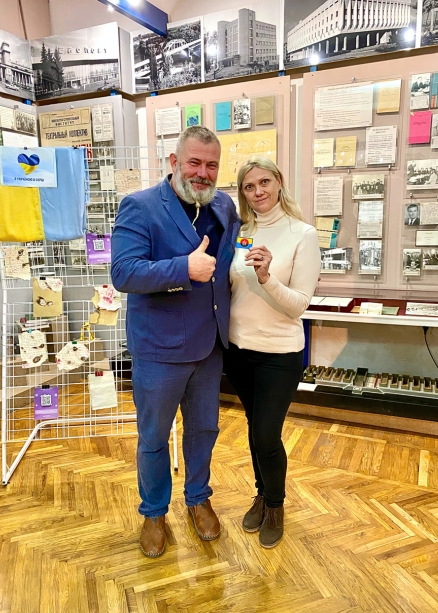
The meeting was part of the “TALK TO A DEFENDER” project, initiated at the Ukrainian State University of Science and Technologies. Halyna YEVSIEIEVA, Vice-Rector for Educational Work and Humanitarian Policy, introduced the guest to students and faculty, emphasizing the significance of such conversations for shaping young people’s awareness.
During the conversation, Yurii Bereza repeatedly stressed that war runs not only along the front lines but also through the souls, hearts, and minds of every individual: “The enemy didn’t come merely to seize territories but to destroy us as a nation, our values, the memory of our ancestors, our culture. Each person must decide whose side they are on, what music to listen to, what language to speak, and what to stand for. What is Ukraine to him or her? For me, it’s captured in an updated or historically corrected phrase: ‘My house is on the edge, I am the first to meet the enemy.’”
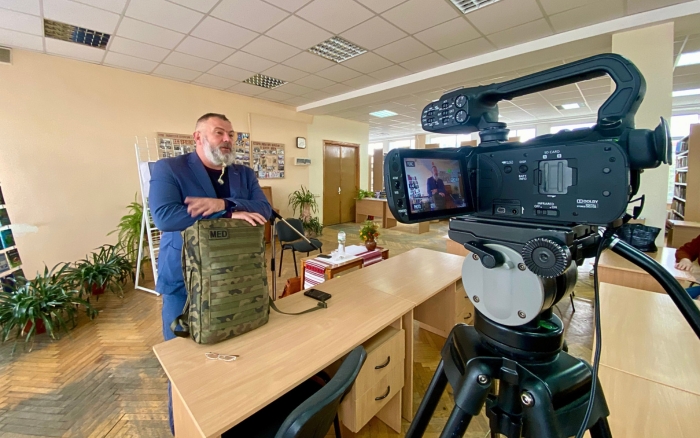
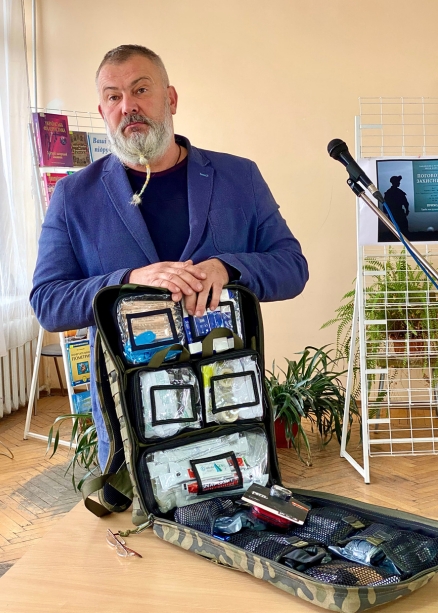
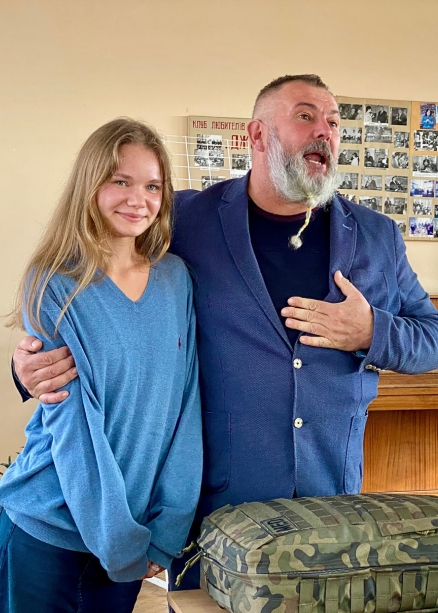
A noteworthy new initiative was also introduced by Yurii Bereza—the mandatory “Tactical Medicine” course at the university. He arrived not empty-handed, bringing along a backpack with essential first-aid supplies, explaining that knowing how to provide assistance during combat or disaster saves lives, not only on the battlefield but also in everyday situations.
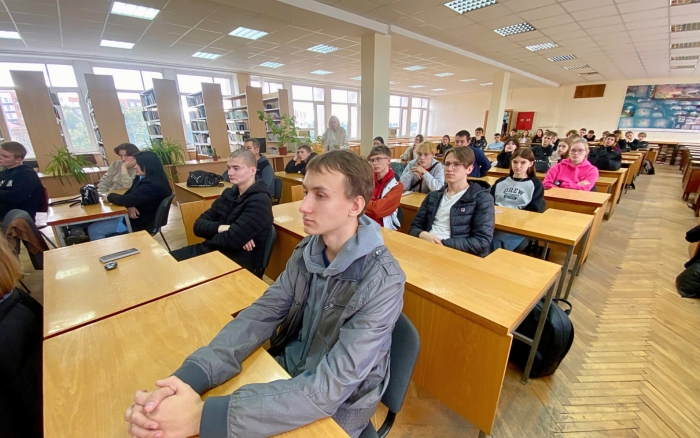
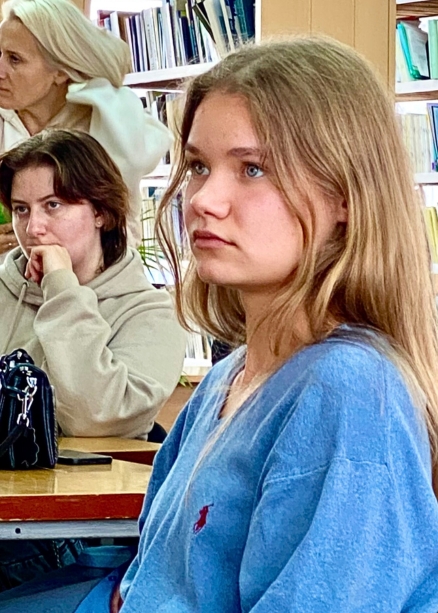
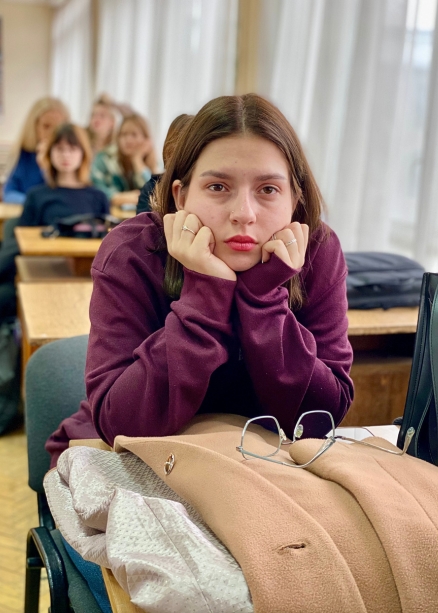
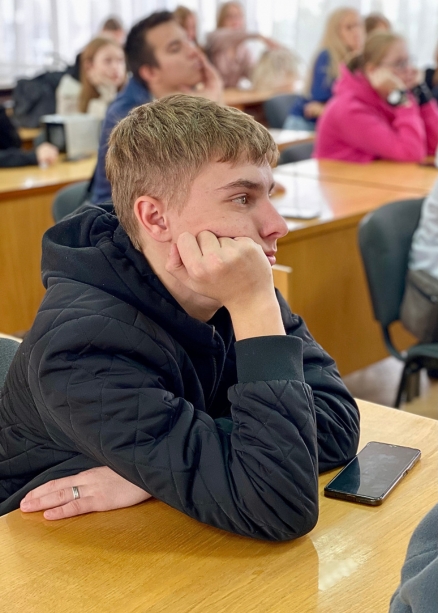
Students had the opportunity to ask numerous questions, including those about the most challenging moments of his military career and the losses he faced in Donetsk, Luhansk, and Kharkiv regions. “God forbid any of you should witness what I saw—graves of children and adults, murdered by Russian executioners simply because they were Ukrainians,” he recalled with deep pain.
These meetings remind young people that a peaceful future depends on each of us. Whether we realize it or not, the war has already reached everyone. It has come with the loss of loved ones, friends, blood and pain, shattered lives and homes, sleepless and cold nights. Now, the main goal is to unite our efforts to win this fight for our Ukraine.