
Intellectual Property Law Week at USUST
As part of the educational initiative “Intellectual Property Law Week at USUST”, a series of events was held on April 22–23, 2025, at the Lyceum of Digital Technologies and Design of USUST. The program became a vivid example of how educational traditions, digital innovation, and contemporary challenges can be successfully integrated.
- On April 22, 10th-grade students participated in a hackathon titled “AI in School Education: Assistant or Offender?” Together with lecturers from the Department of Ukrainian Studies, Documentation Science, and Information Activity of the SEI PSACEA — Associate Professors Valentyna Babenko and Larysa Bohuslavska — the students discussed how artificial intelligence influences learning, personal development, and thinking culture.
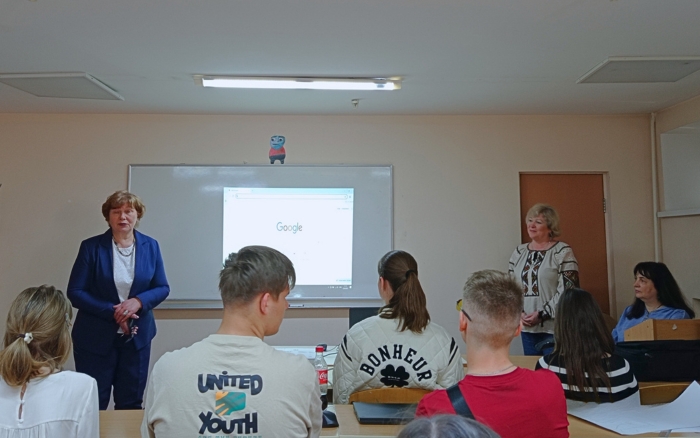
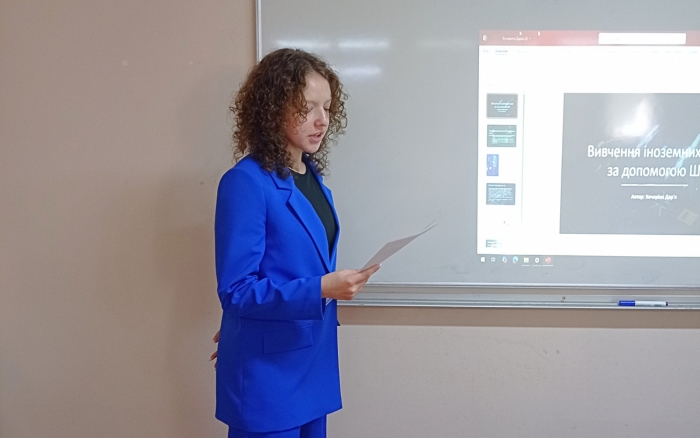
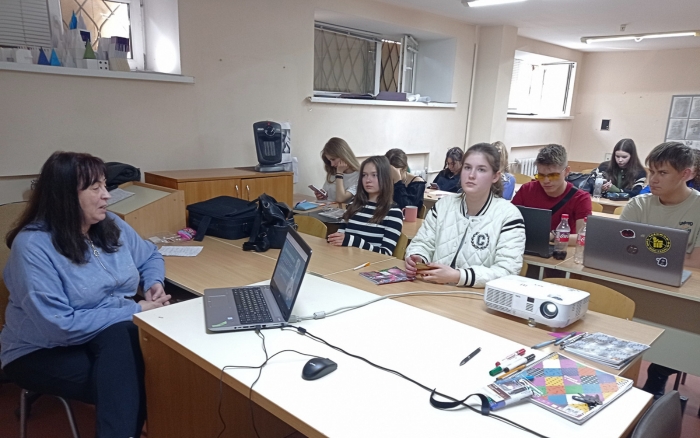
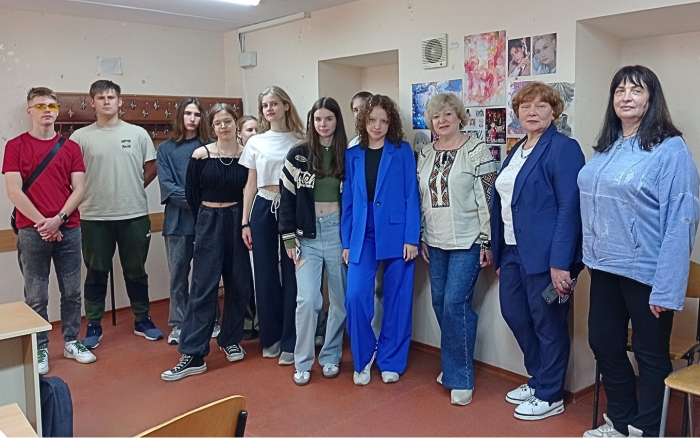
- On April 23, World Book and Copyright Day, 9th-grade students engaged in a debate on the topic of intellectual property through the lens of classical literature, particularly Harper Lee’s novel “To Kill a Mockingbird.” Two teams — “The Digital Age and Morality” and “Protecting the Vulnerable” — explored the ethical dilemmas of the digital era, such as justice, copyright, privacy protection, and respect for the work of contemporary creators. The debate was moderated by UDIA lecturer Larysa Bohuslavska, while jury member Valentyna Babenko — Head of the Department of Student Educational Work at USUST — praised the participants’ deep understanding, critical thinking, and empathy.
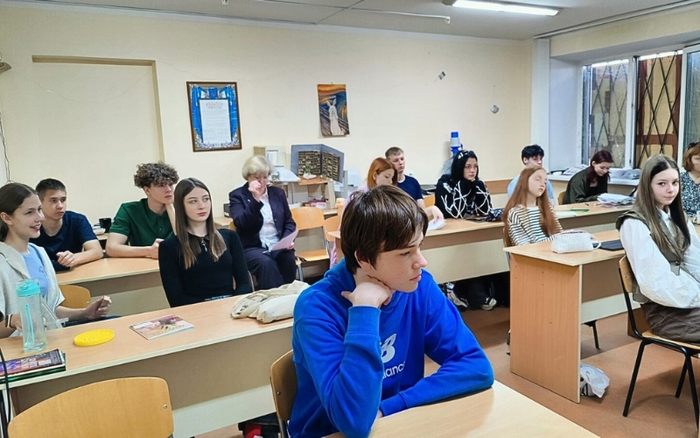
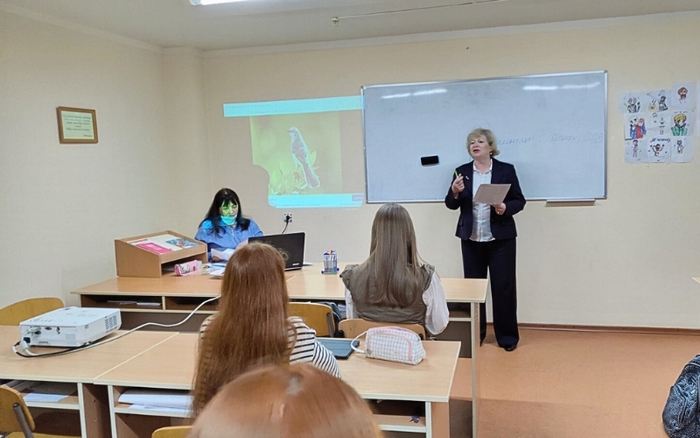
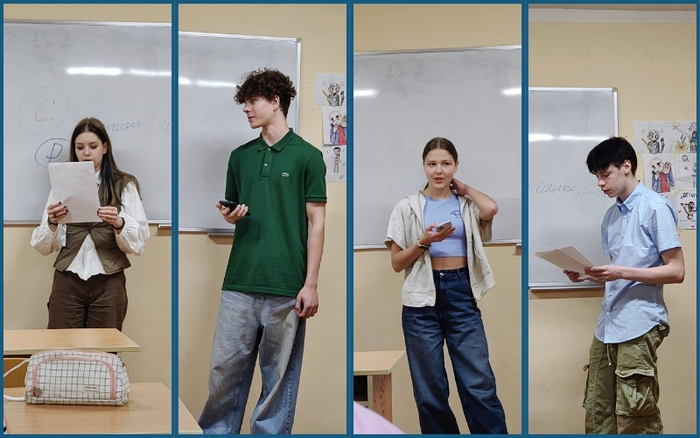
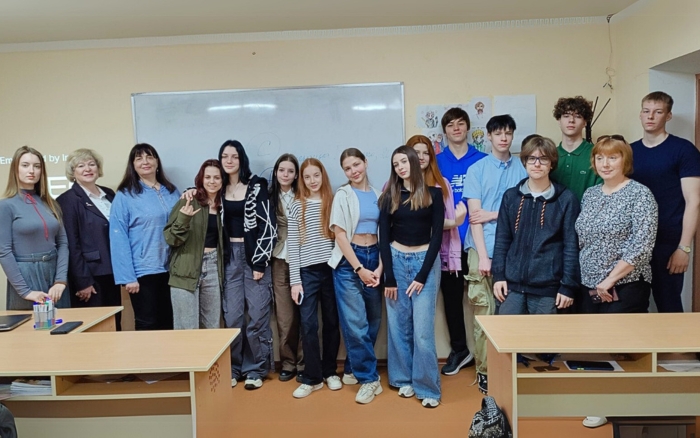
- Also on April 23, an integrated history and world literature lesson titled “Creativity as a Driving Force of Human Development” was held for 8th-grade students, serving as the intellectual marathon’s concluding event.
Vice-Rector for Educational Work and Humanitarian Policy at USUST and Acting Director of the Lyceum, Professor Halyna Yevsieieva, emphasized that fostering innovative thinking in youth is a top priority for the university’s educational community.
The project once again confirmed: the culture of intellectual property, ethical use of digital technologies, and the development of critical thinking are the foundation of next-generation education.